2026 Results
Great work! We cracked into the Species TOP 10 in the USA and TOP 20 in the WORLD for the first time! What a fantastic accomplishment!
Baton Rouge Region Results:
2,810
Species Documented
#16 in the world
#9 in the USA
669
People Participated
#38 in the world
#24 in the USA
18,179
Observations Made
#33 in the world
#12 in the USA
Favorite Photos and Rare Finds from the 2026 Baton Rouge Region City Nature Challenge
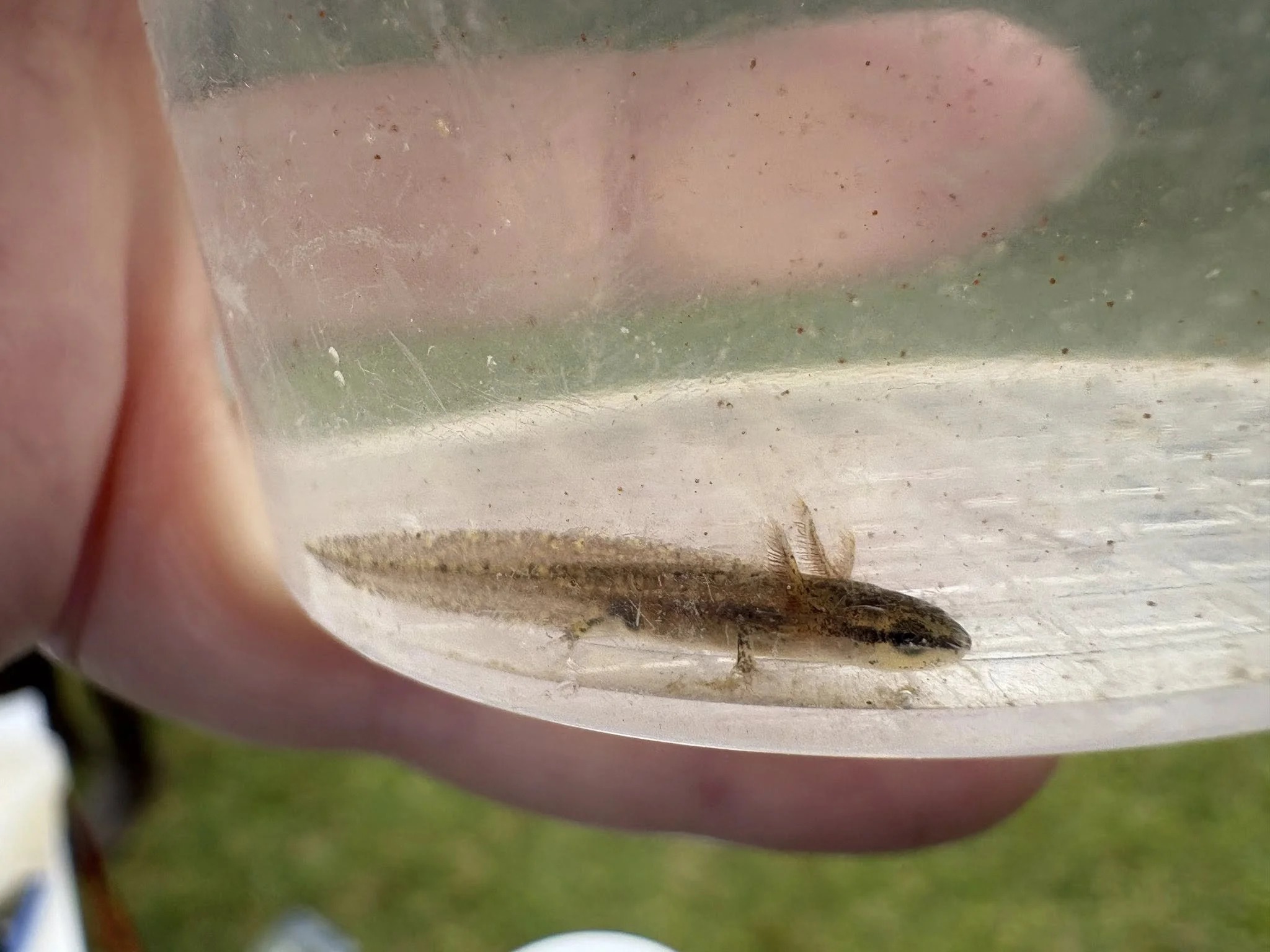
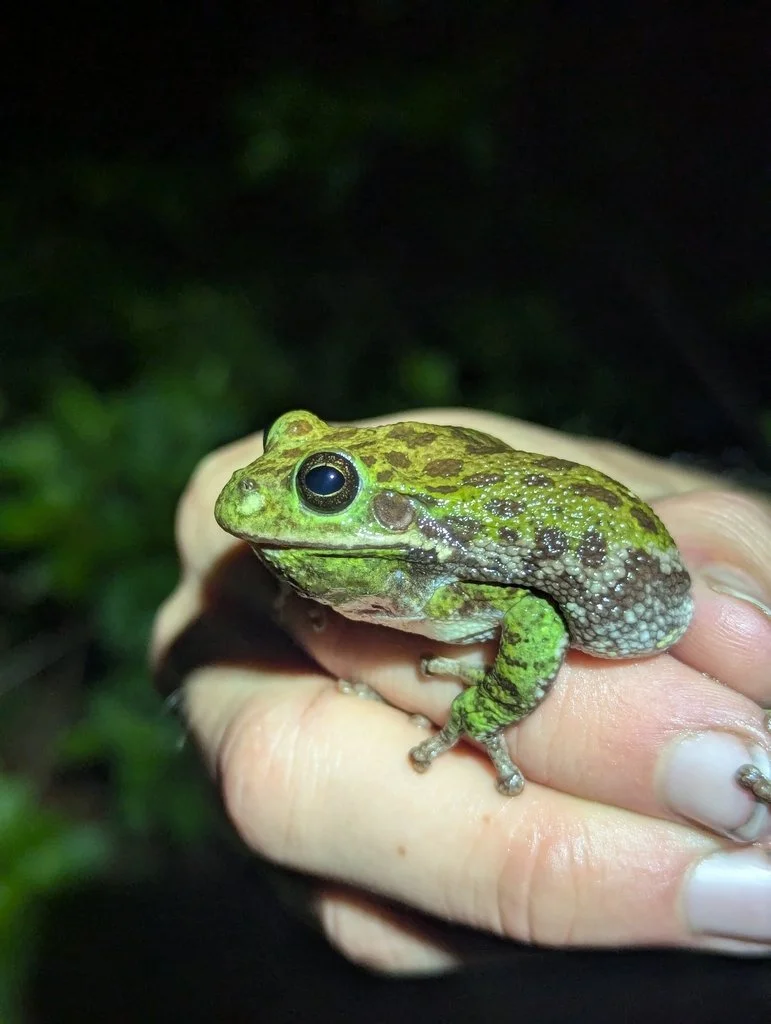
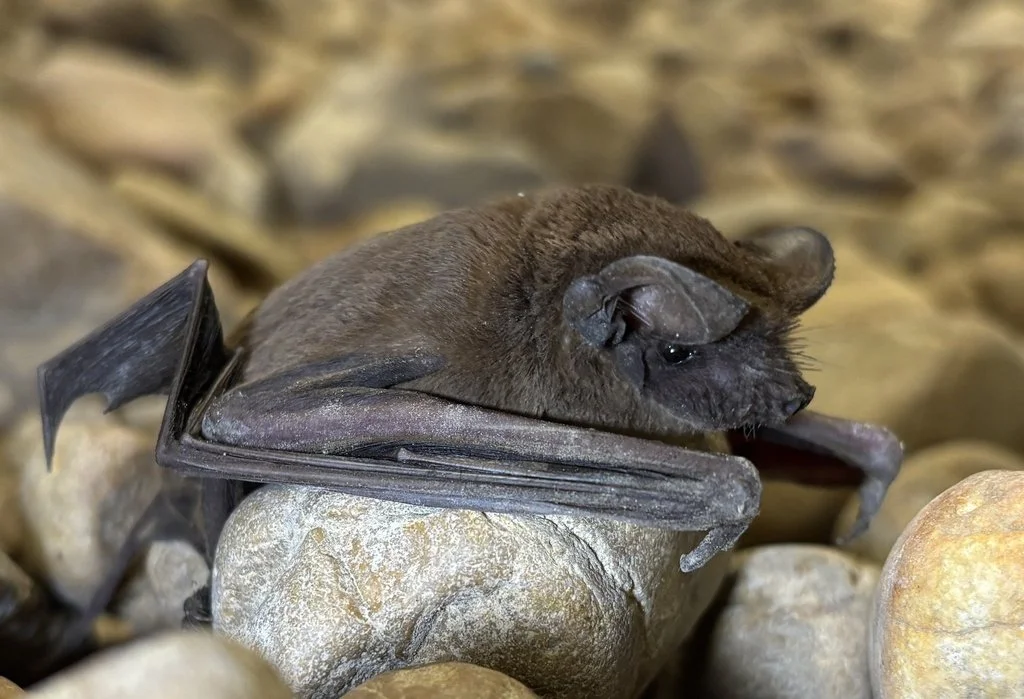
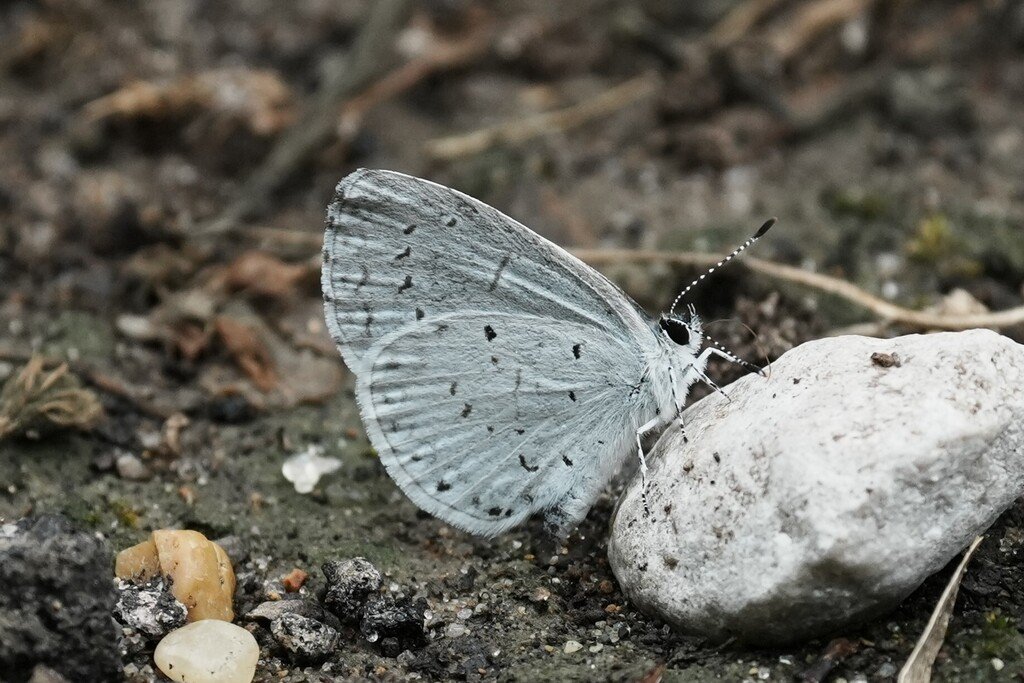
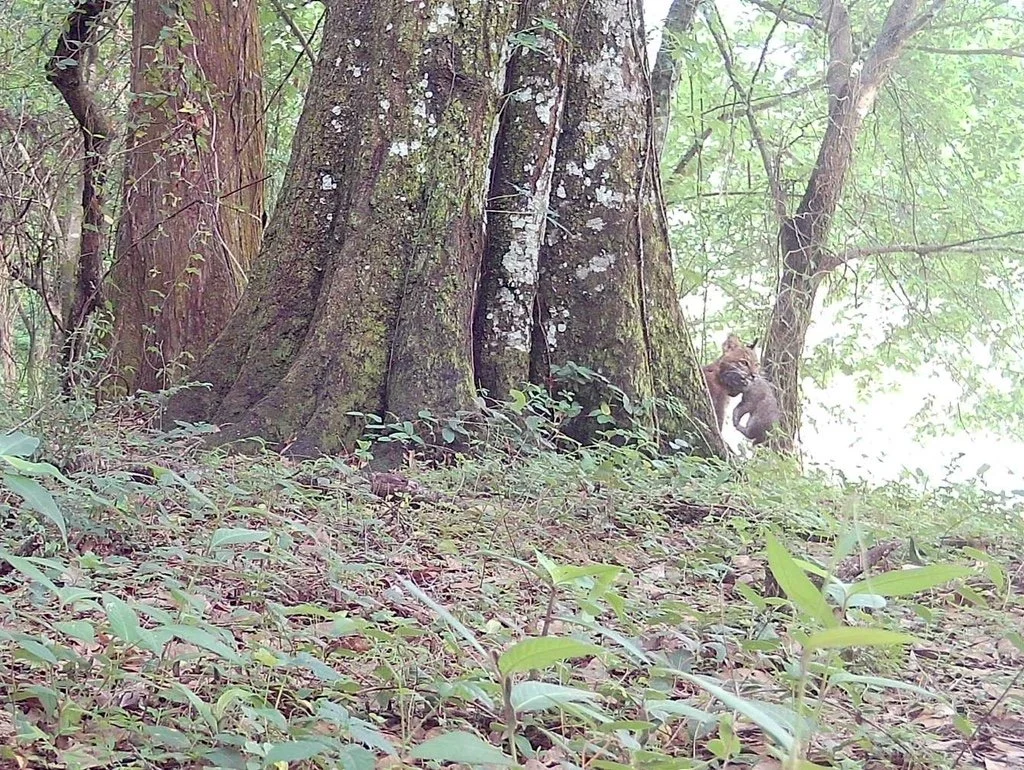
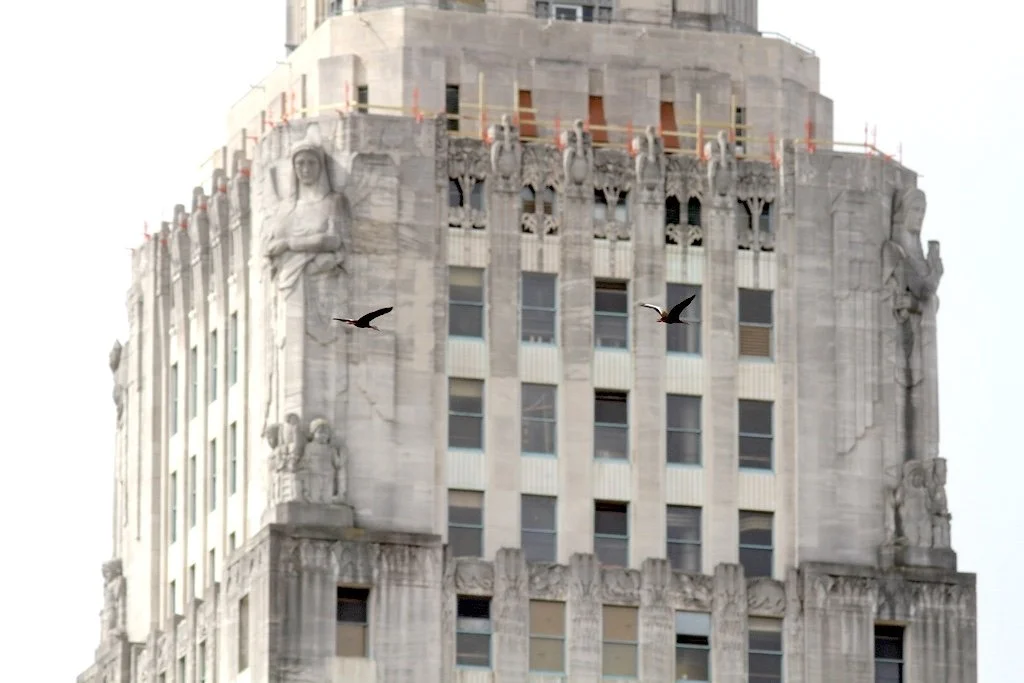
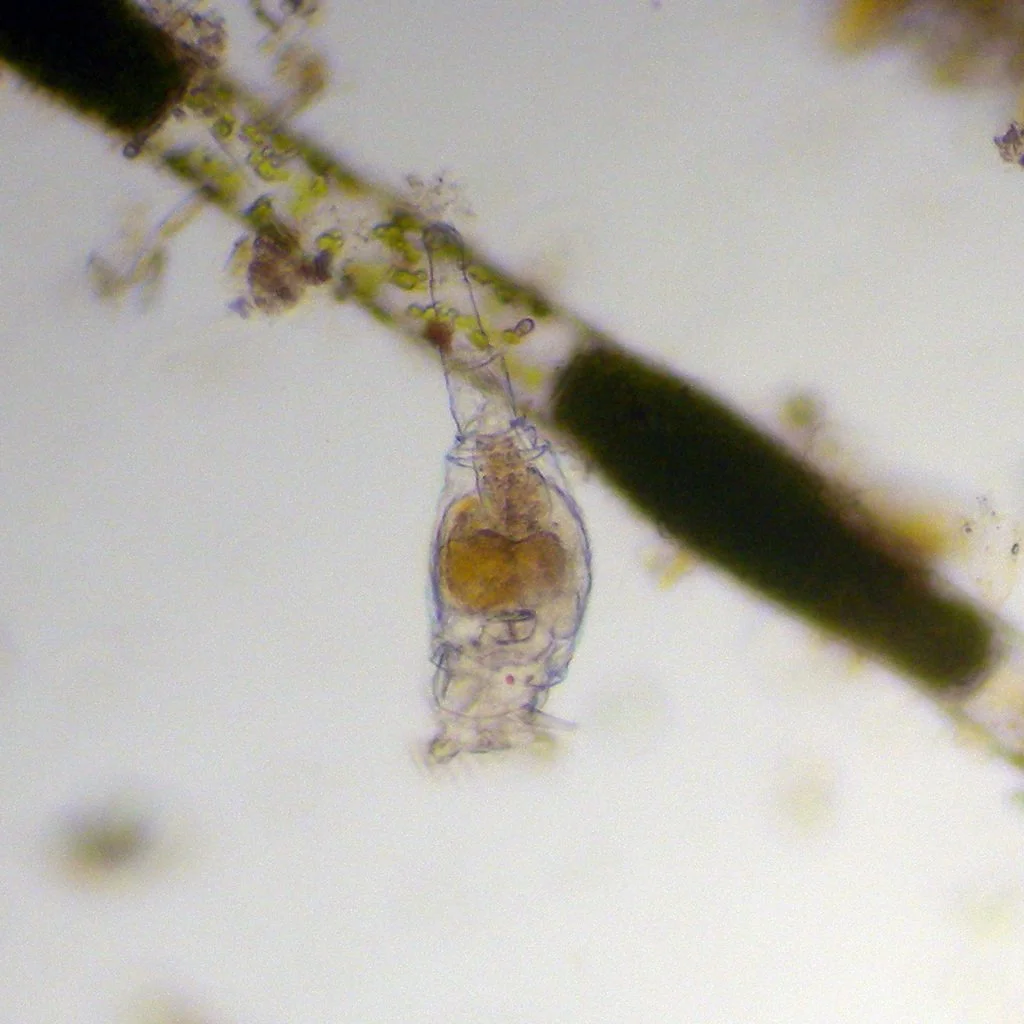
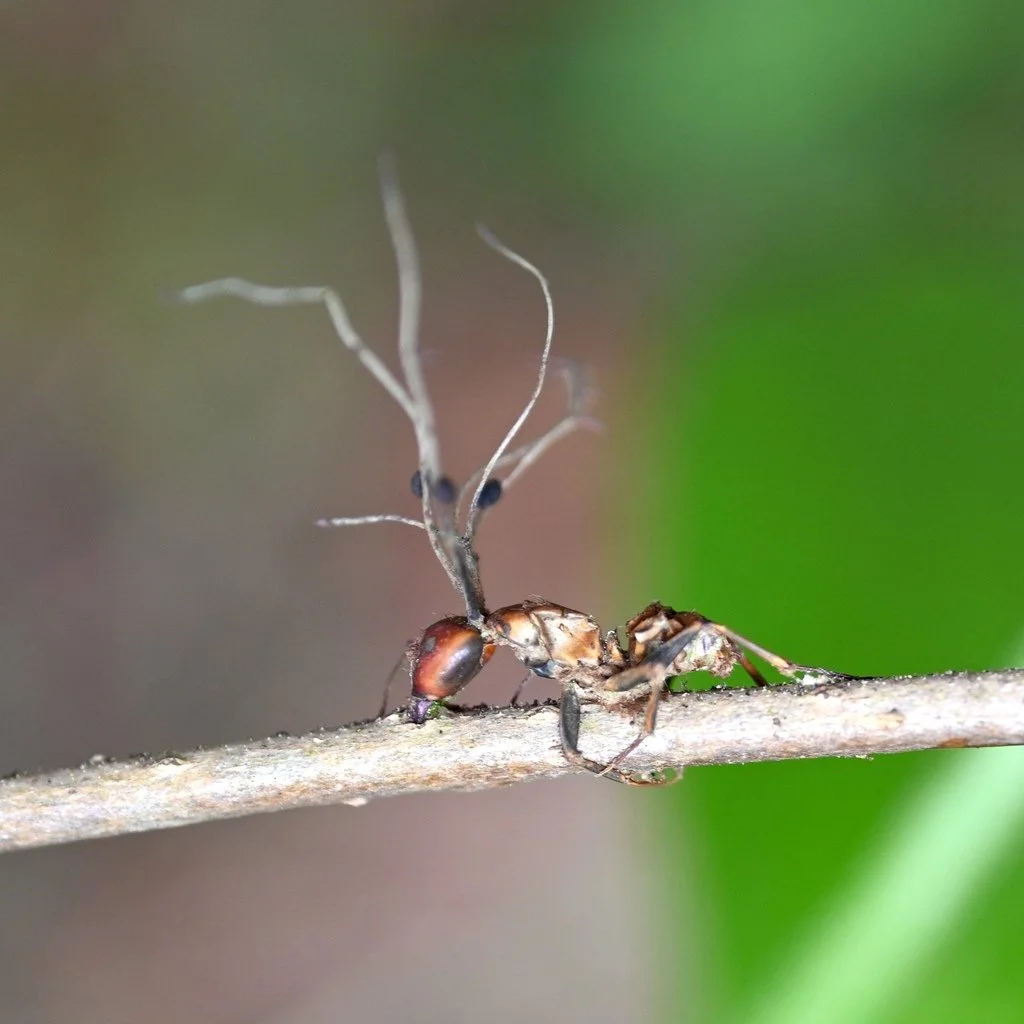
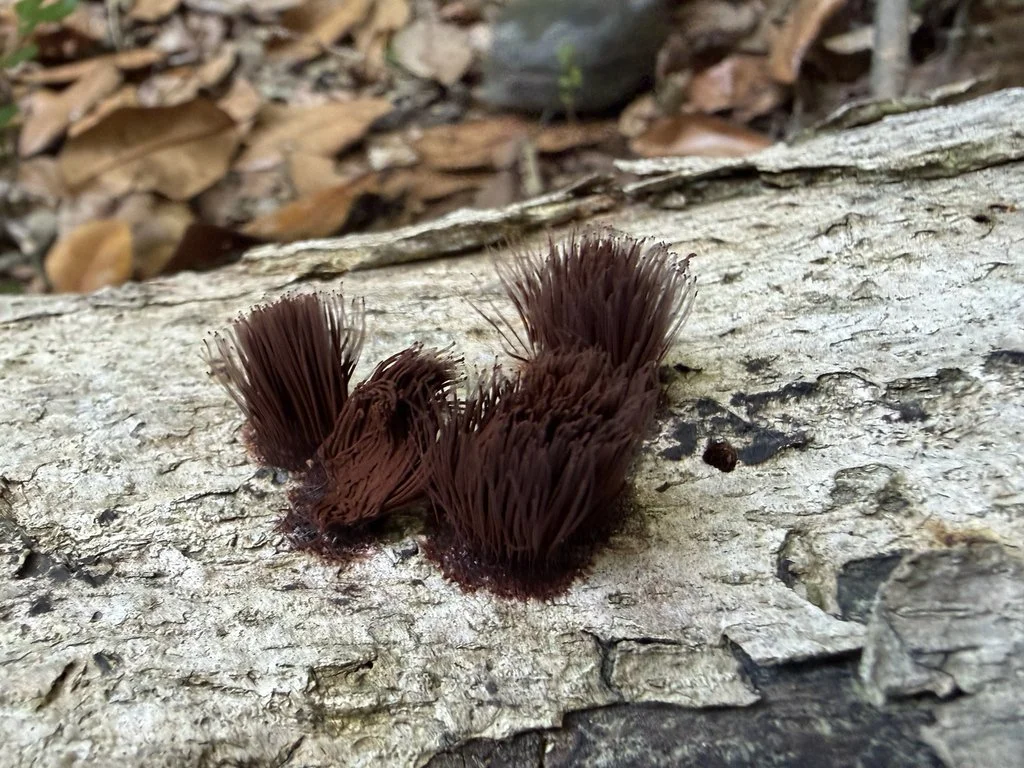
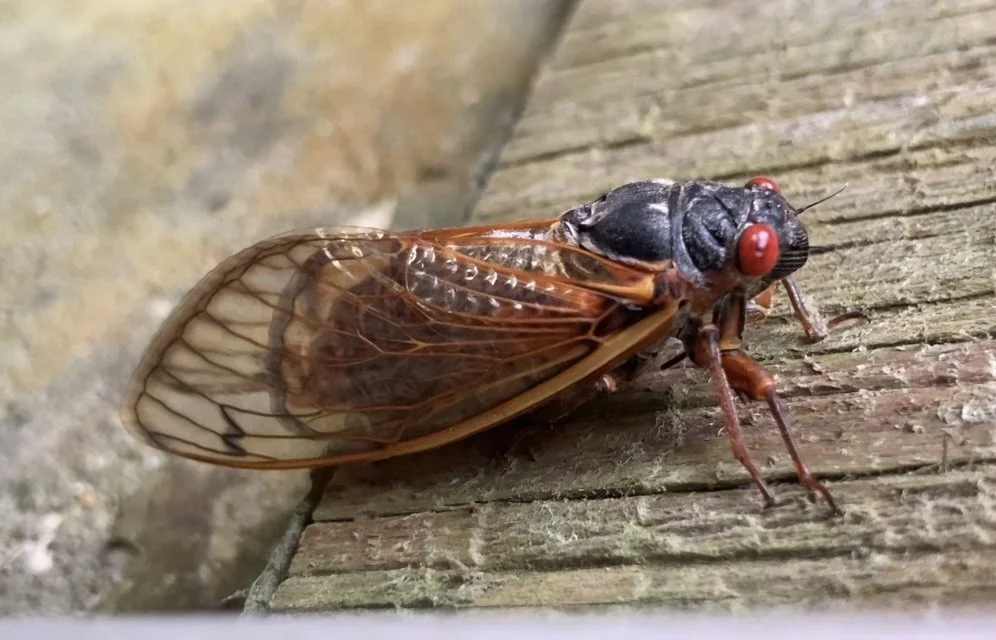
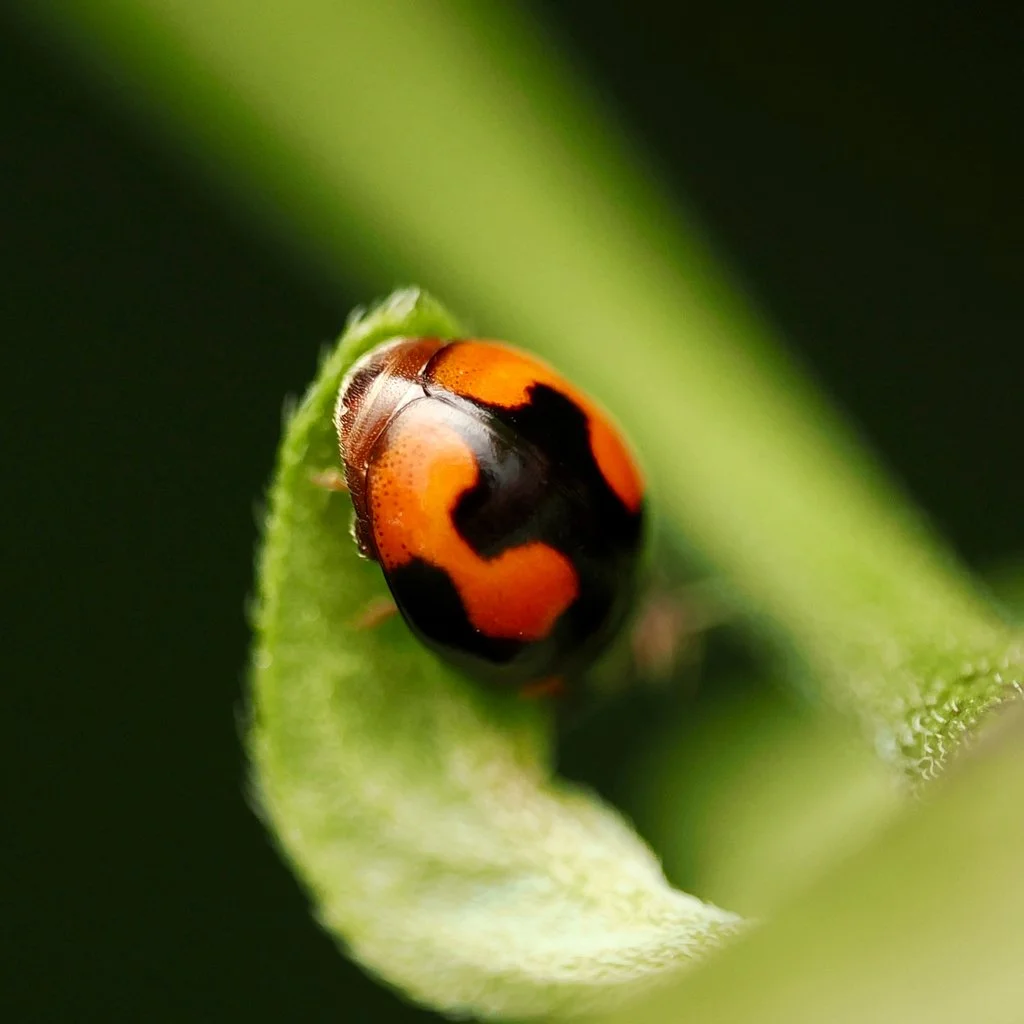
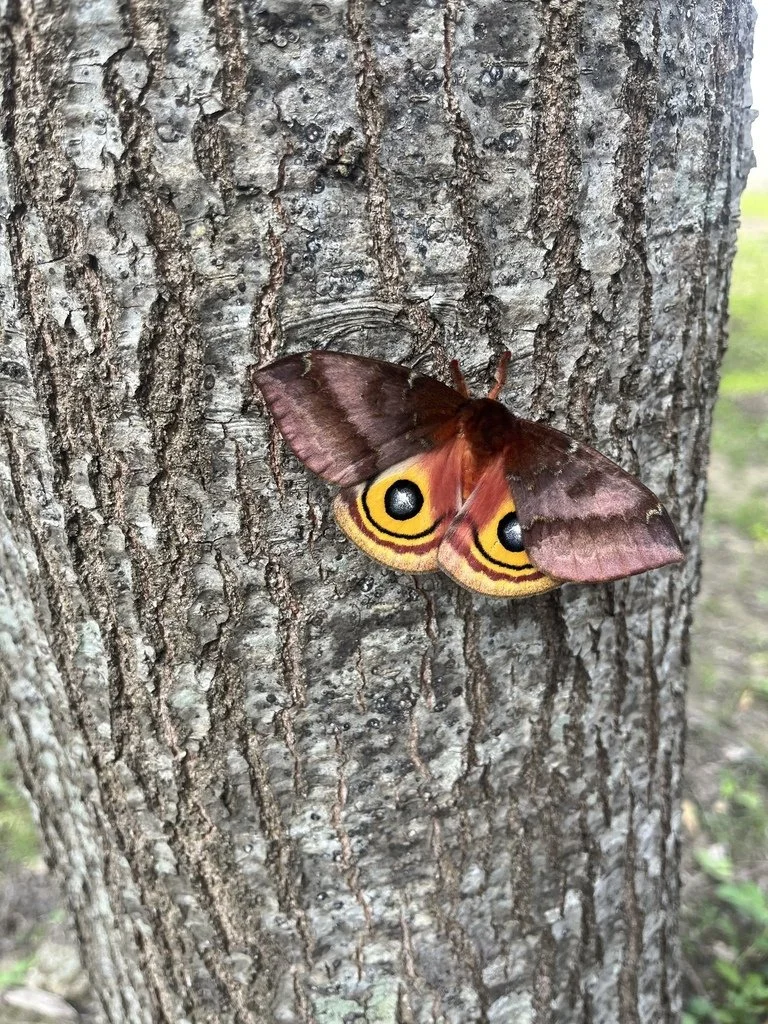
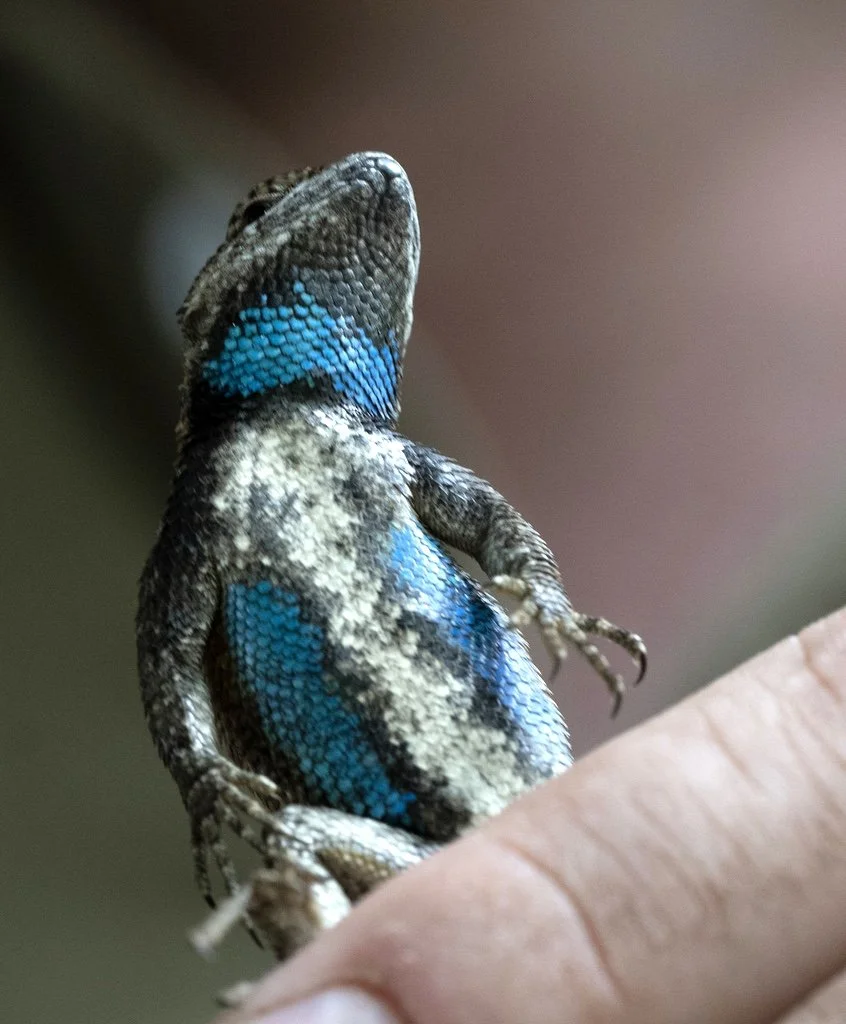
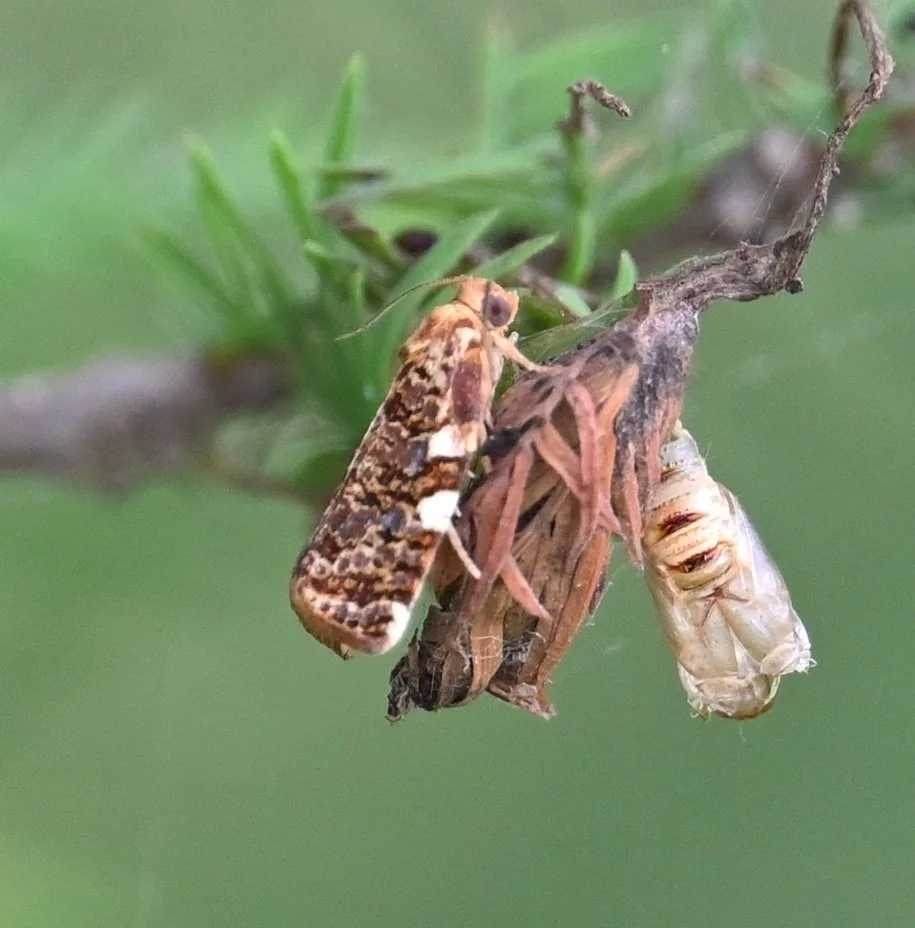
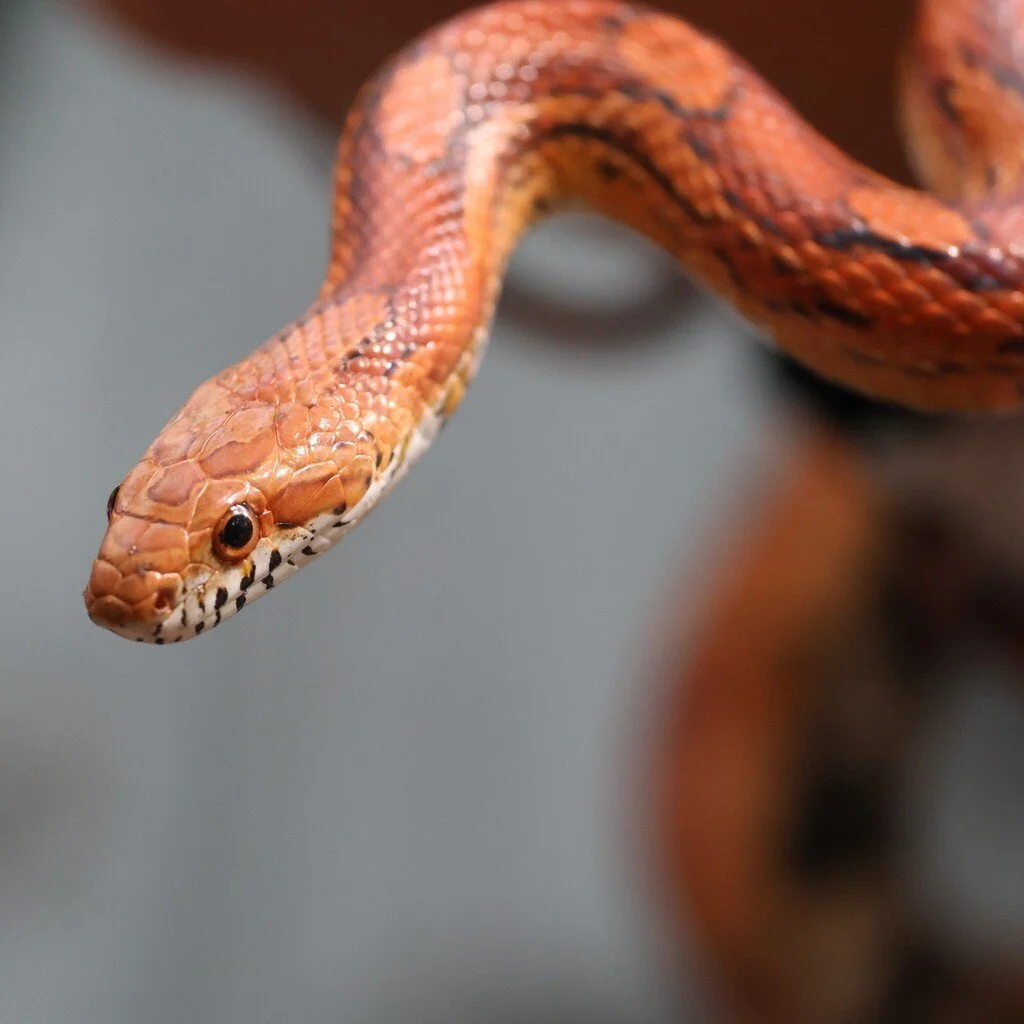
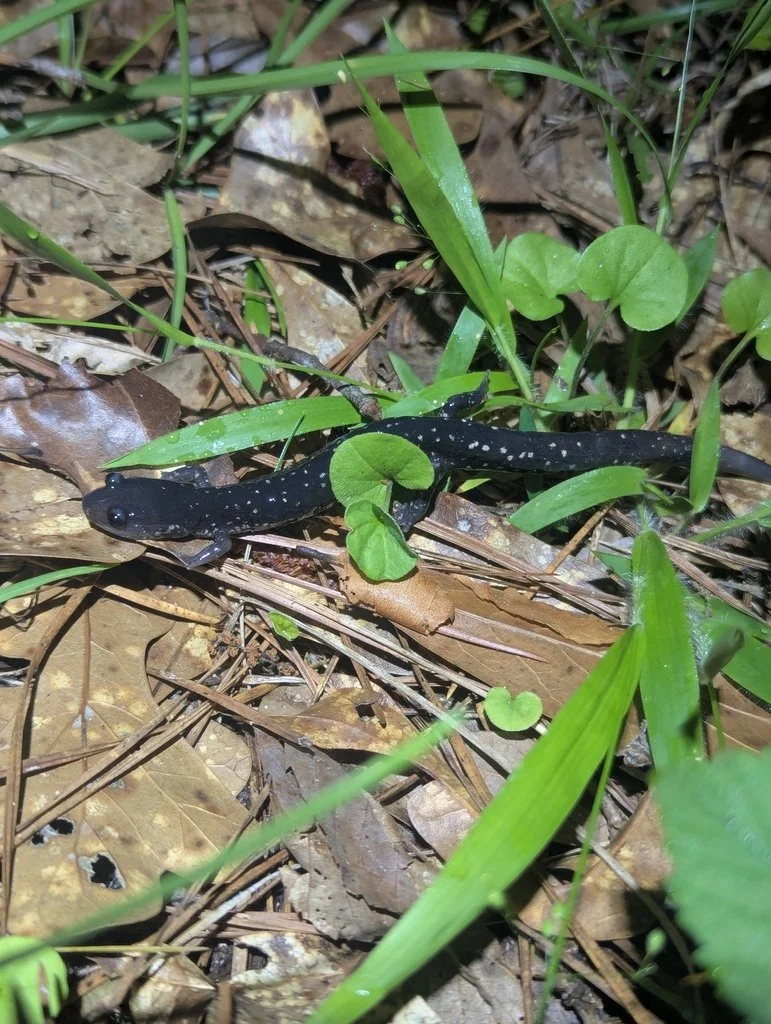
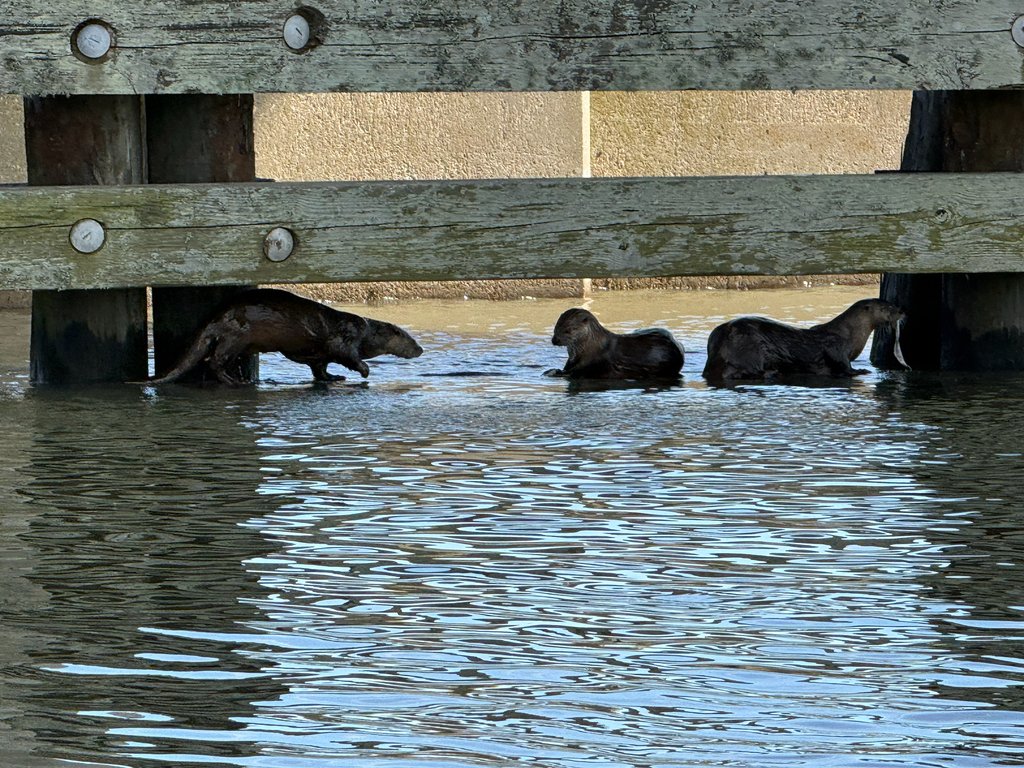
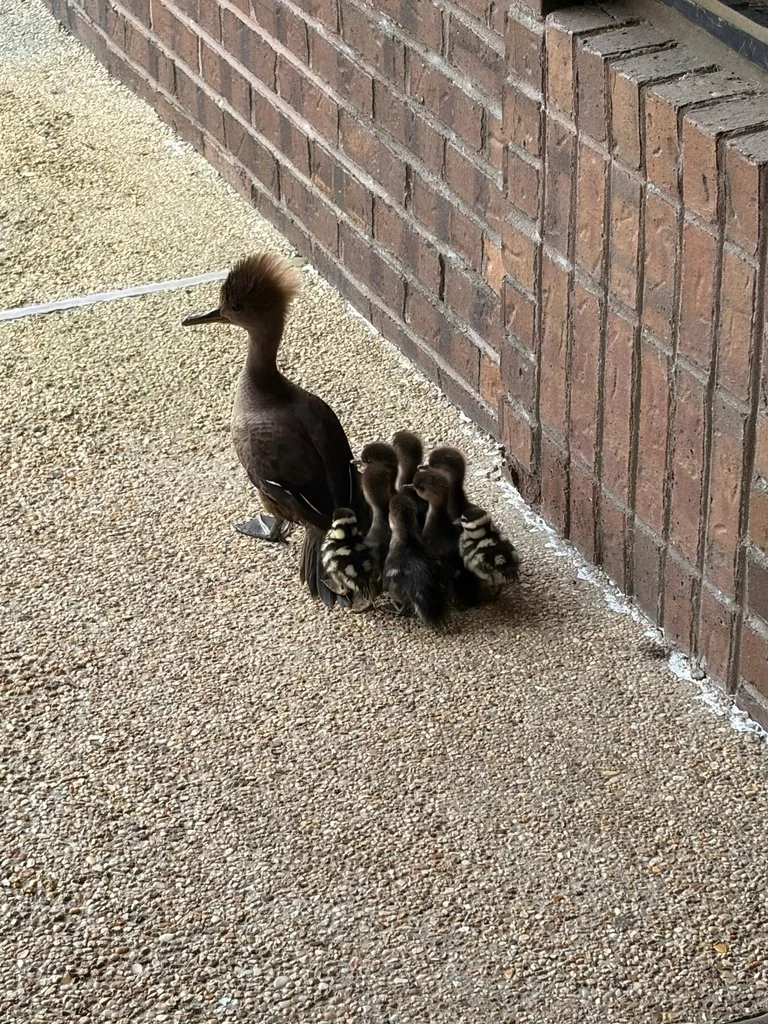
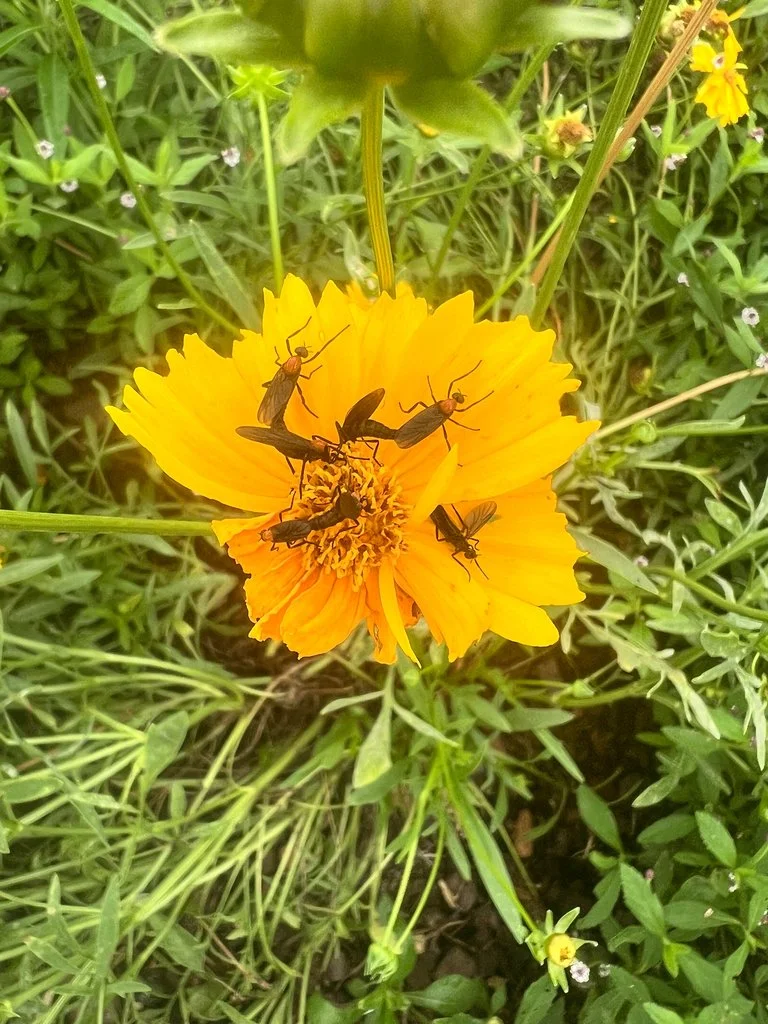
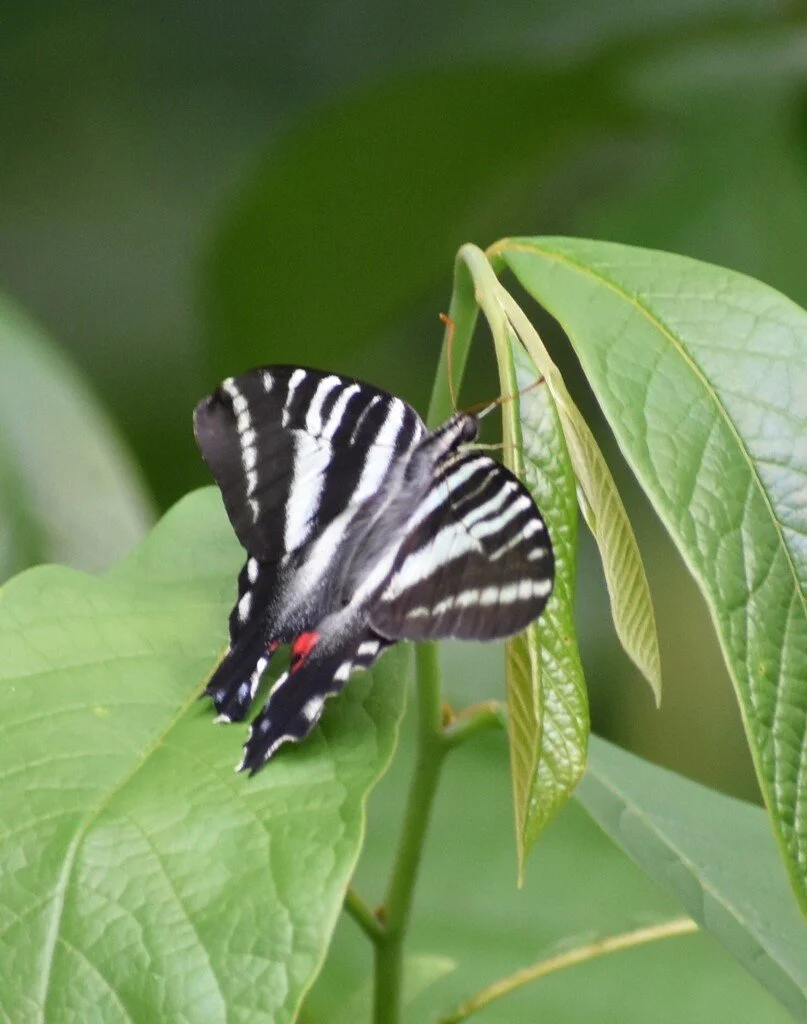
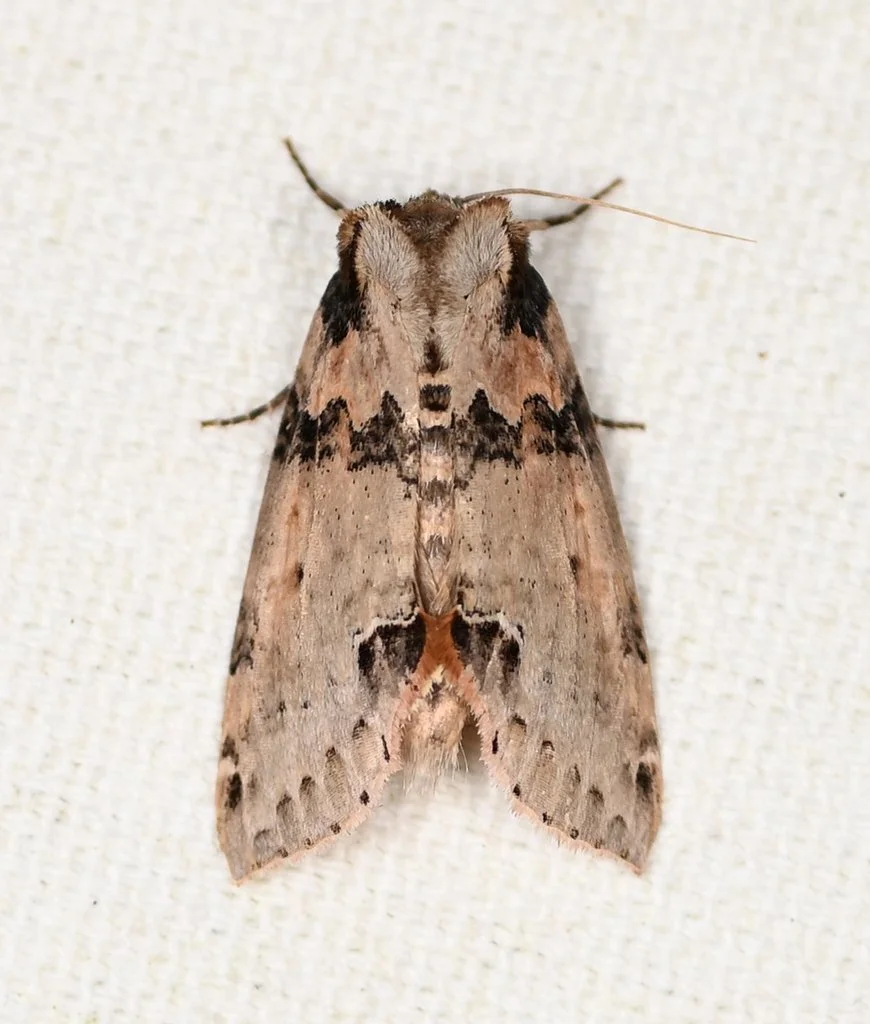
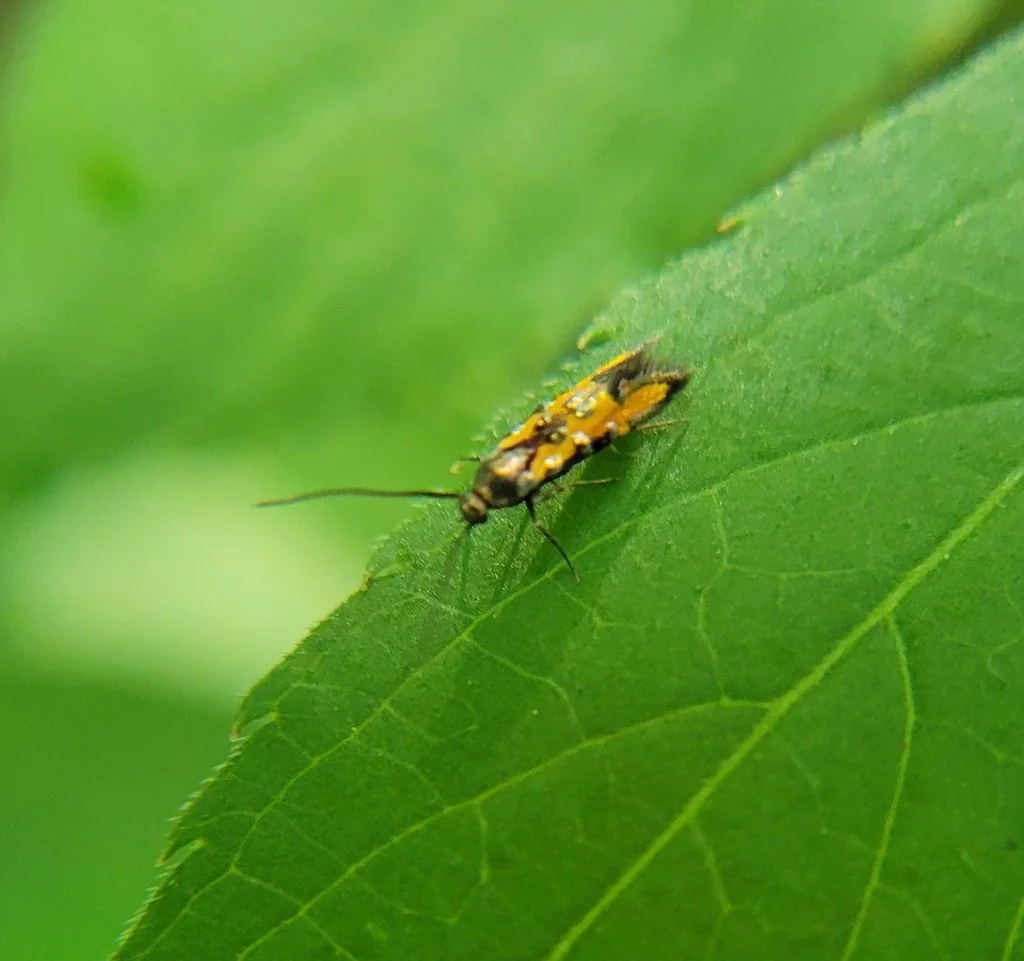
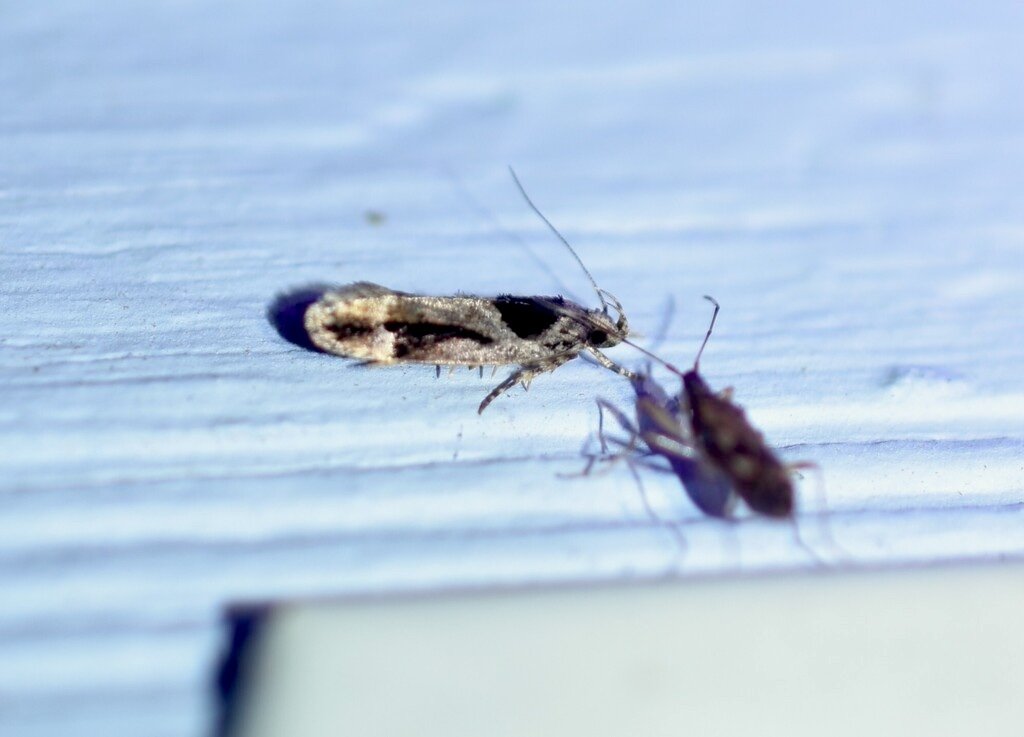
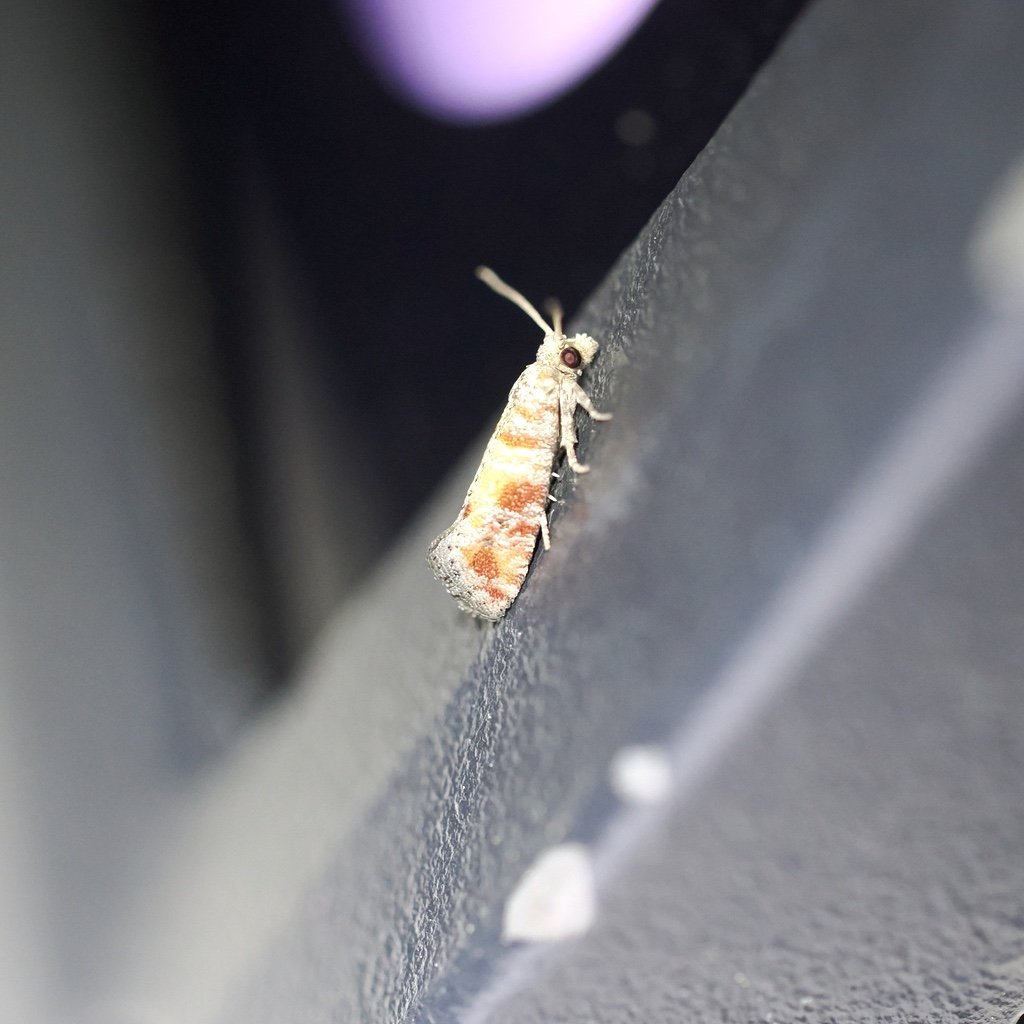
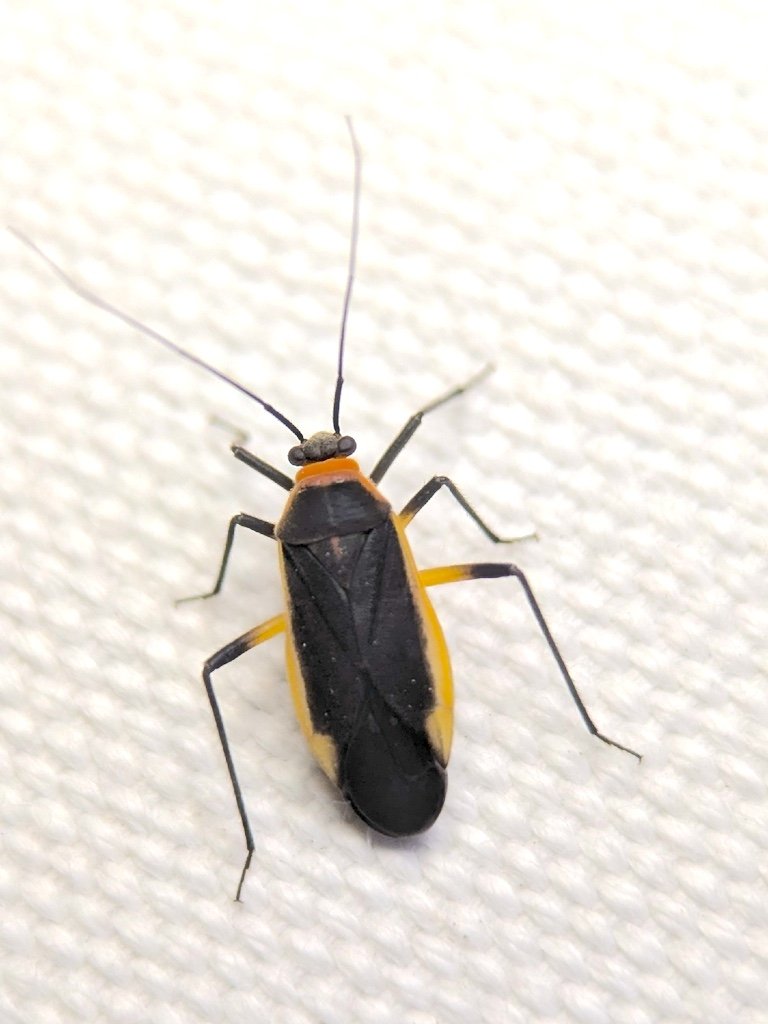
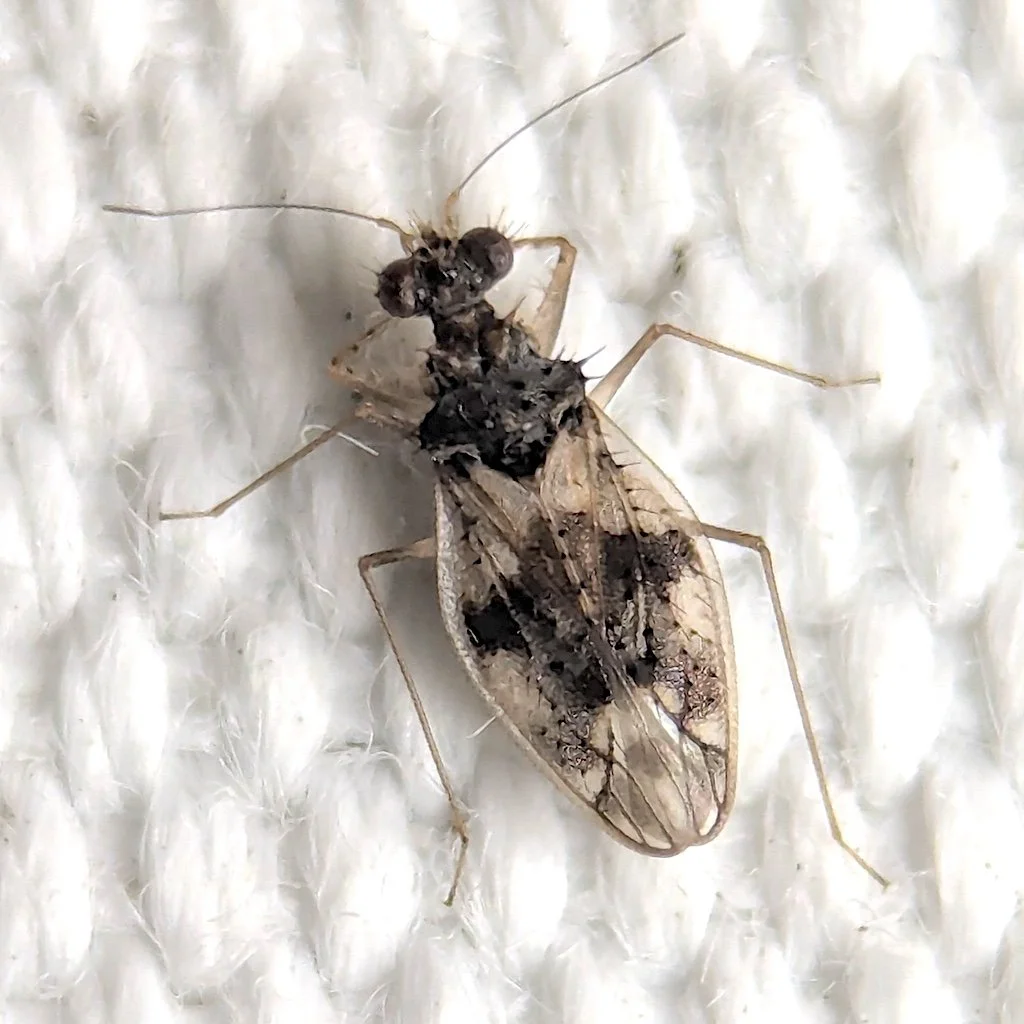
Rare iNaturalist Finds in Our Region
(Photos of these are included in the slideshow above.)
Barking Tree Frog near Madisonville, by efalquet. Rare find.
Microscopic Bdelloid Rotifer found in pond water by demcheck. First in Louisiana.
Tufted Thyatirine Moth found at Lake Rosemound by amberenergy. First in Louisiana.
Sun Moth found at BREC Bluebonnet Swamp by htoyo. First in Louisiana.
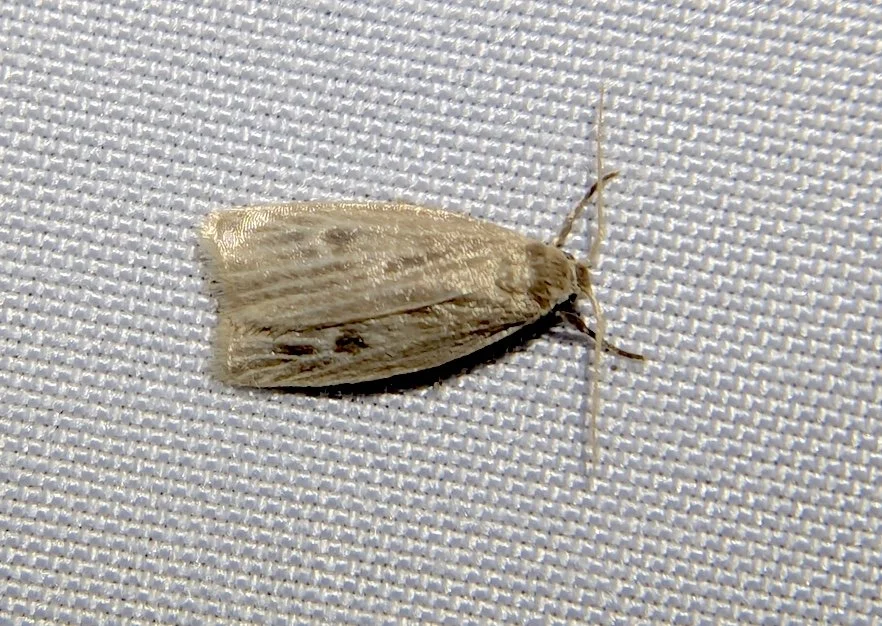
Pseudochelaria walsinghami Moth by khashagen in West Feliciana Parish. Sumac is the host plant. First in Louisiana.
Subtropical Pine Tip Moth by Sean Golden in Baton Rouge and another found by ncb1221 in Mandeville. First in Southeast Louisiana.
Opistheurista clandestina plant bug found by shiggium in Chalmette. First in Southeast Louisiana.
Patapius spinosus introduced spiny-legged bug found by shiggium in Chalmette. First in Louisiana.
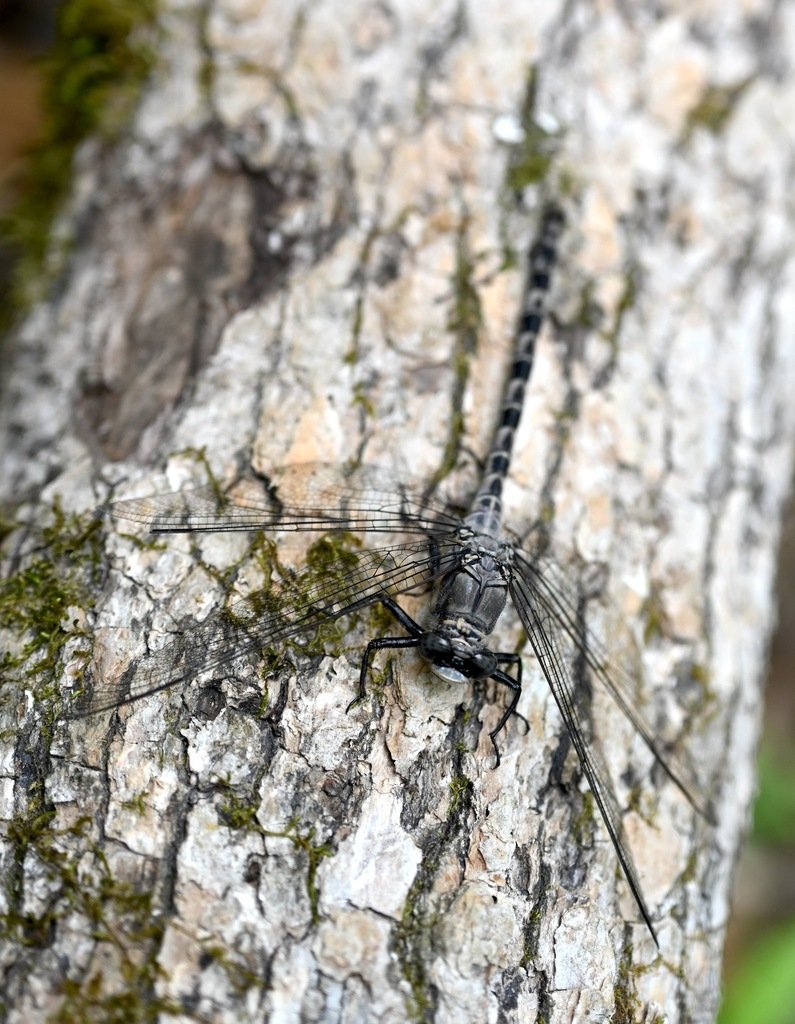
Gray Petaltail Dragonfly in West Feliciana Parish by amberenergy. First in the Baton Rouge region.
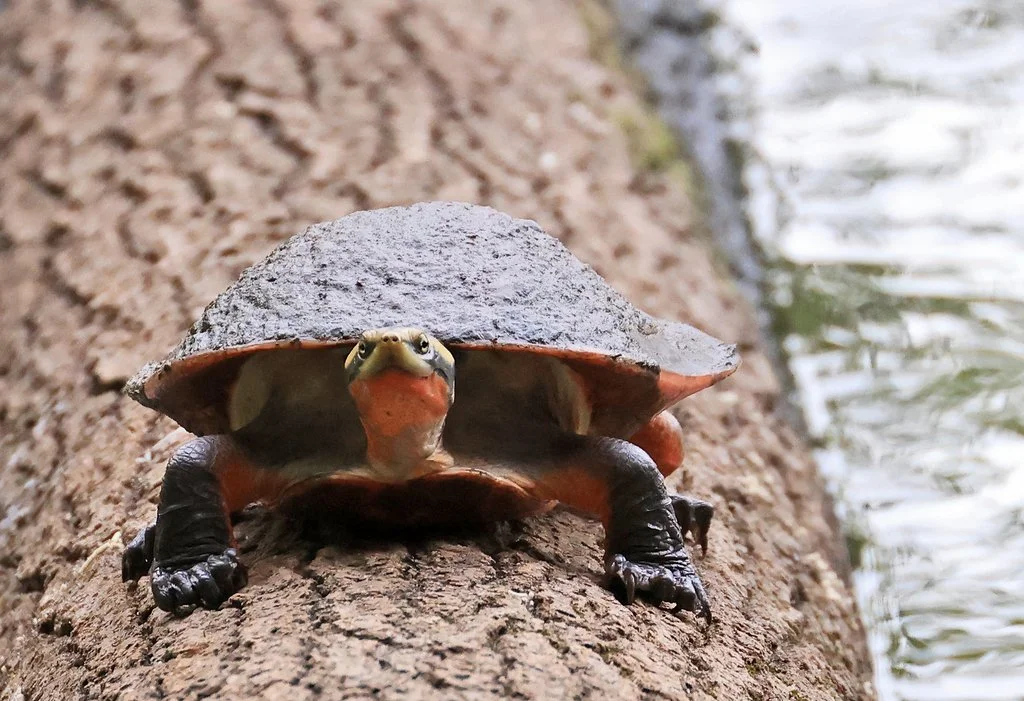
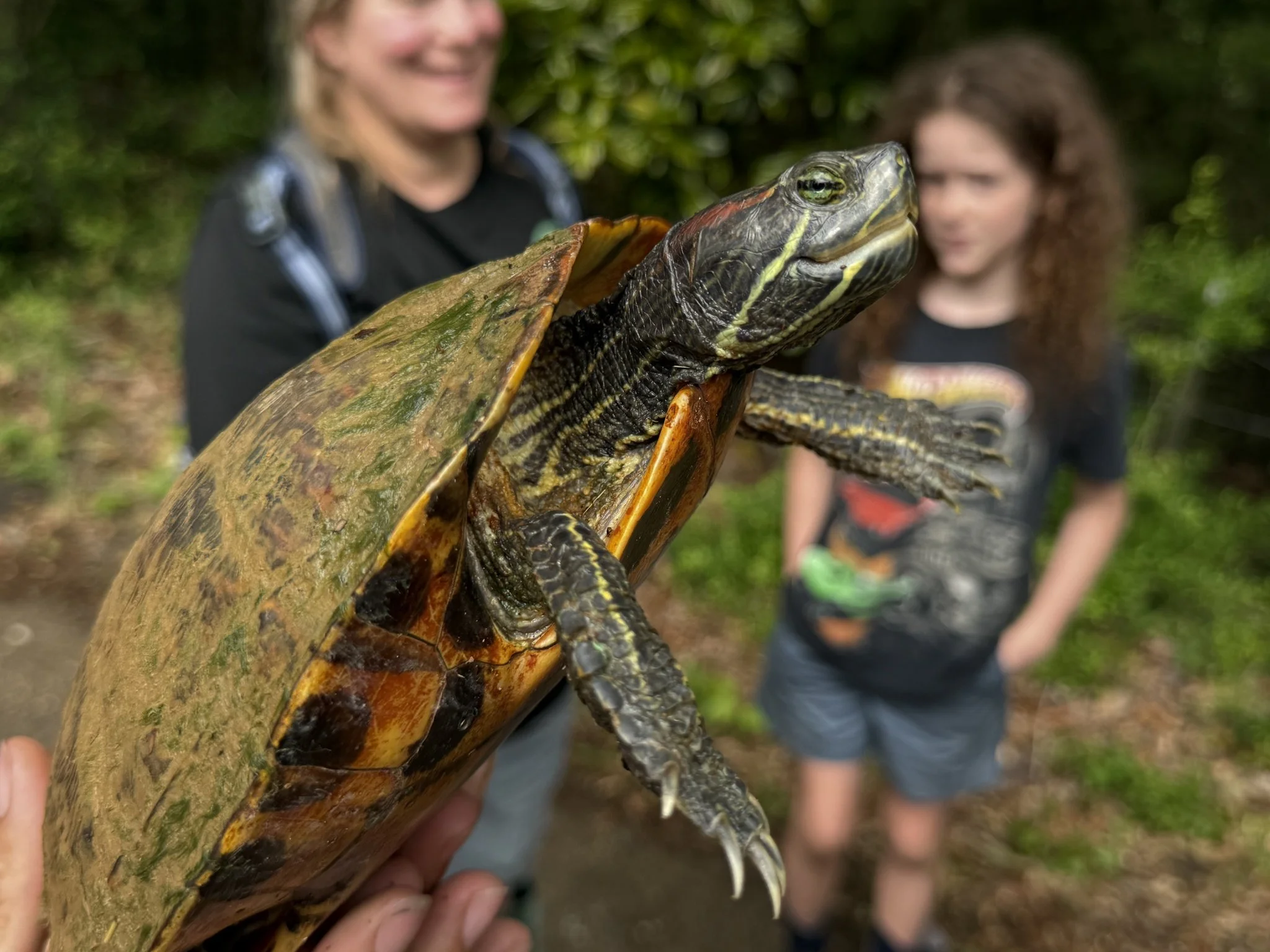
Introduced Red-bellied Short-necked Turtle in Baton Rouge by jhartg44. A dumped pet? First in Louisiana.
Baldcypress Leafroller found at Lake Verret by amberenergy. Rare find.
Pale Lichen Moth found in Mandeville by ncb1221. Rare find.
If you find another observation is rare, please “fave” the observation in iNaturalist.
City Nature Challenge 2026 Results
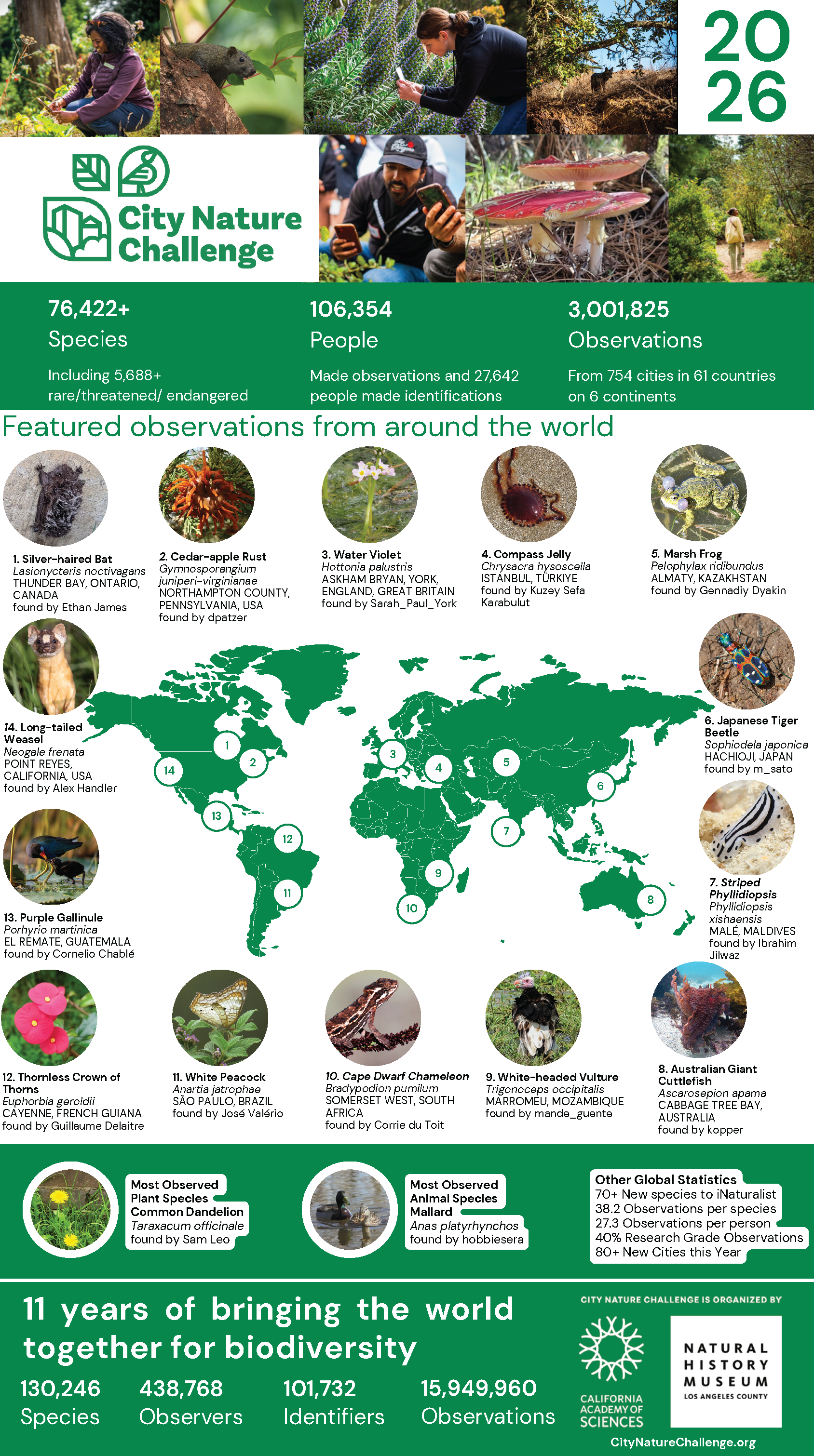
City Nature Challenge Generates Over 3,000,000 Observations in 2026 Global Event
More than 100,000 community scientists from 754 cities around the world documented more than 5,600 rare, endangered or threatened species in over 3 million observations during the 4-day community science effort
Baton Rouge, LA (May 13, 2026) — The 11th annual City Nature Challenge (CNC) results have arrived. The yearly community science initiative saw 106,354 people across 754 cities in 61 countries on 6 continents document more than 3 million wildlife observations. More than 75,000 species were observed, with the Common Dandelion (Taraxacum officinale) once again the most observed species and plant around the world, while the Mallard (Ana platyrhynchos) is the most observed animal species. Curious community scientists can see their own area’s statistics from this year using the new tracking tool at CityNatureStats.com.
This collaborative, global event called on current and aspiring community scientists, nature and science fans, and people of all ages and backgrounds to observe and submit pictures of wild plants, animals, and fungi within their communities around the world during the stretch of April 24 - 27. As the largest annual global biodiversity census in the world, participants submitted the photos using free mobile apps such as iNaturalist, and the initiative as a whole underscores the power of community science to track real-time changes in our planet’s biodiversity.
“Documenting the rich biodiversity of our planet is essential in our rapidly changing world,” says Amy Jaecker-Jones, Associate Manager of Community Science at the Natural History Museum of Los Angeles County and Co-director of the City Nature Challenge. “City Nature Challenge participants, including those who organize in their cities, towns, or regions, and every individual who makes or identifies an observation makes a vital contribution to fighting biodiversity loss.”
Since launching the City Nature Challenge in 2016 with just 1,000 observers across a pair of California cities, the Challenge — hosted by the Natural History Museums of Los Angeles County (NHMLAC) and San Francisco’s California Academy of Sciences (CAS) — continues to break records year after year. Since its inception, City Nature Challenge has collected over 15 million urban biodiversity observations and engaged over 470,000 people.
"Every year during the City Nature Challenge, I take a moment to reflect on how amazing it is that while I am taking a photo of a flower in San Francisco, over 100,000 people around the world are doing the same thing in the places they call home,” says Rebecca Johnson, Ph.D. Director, Center for Biodiversity and Community Science, California Academy of Sciences, and Co-founder and Co-director of the City Nature Challenge. “This year, we collectively made observations of over 5000 threatened and endangered species and observed species that have never been recorded on iNaturalist before. Together, we have done something that would be impossible alone. The work of local and global organizers, the iNaturalist identifiers, and tens of thousands of community scientists has made the City Nature Challenge the largest annual global census of biodiversity, all driven by people paying attention to nature in our own backyards."
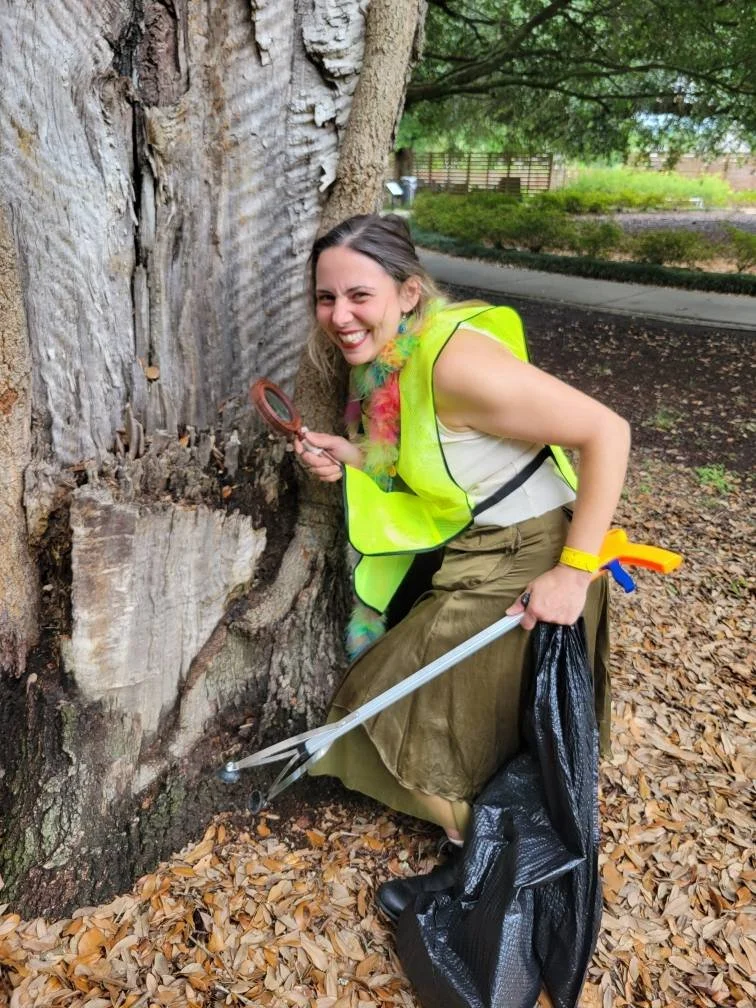
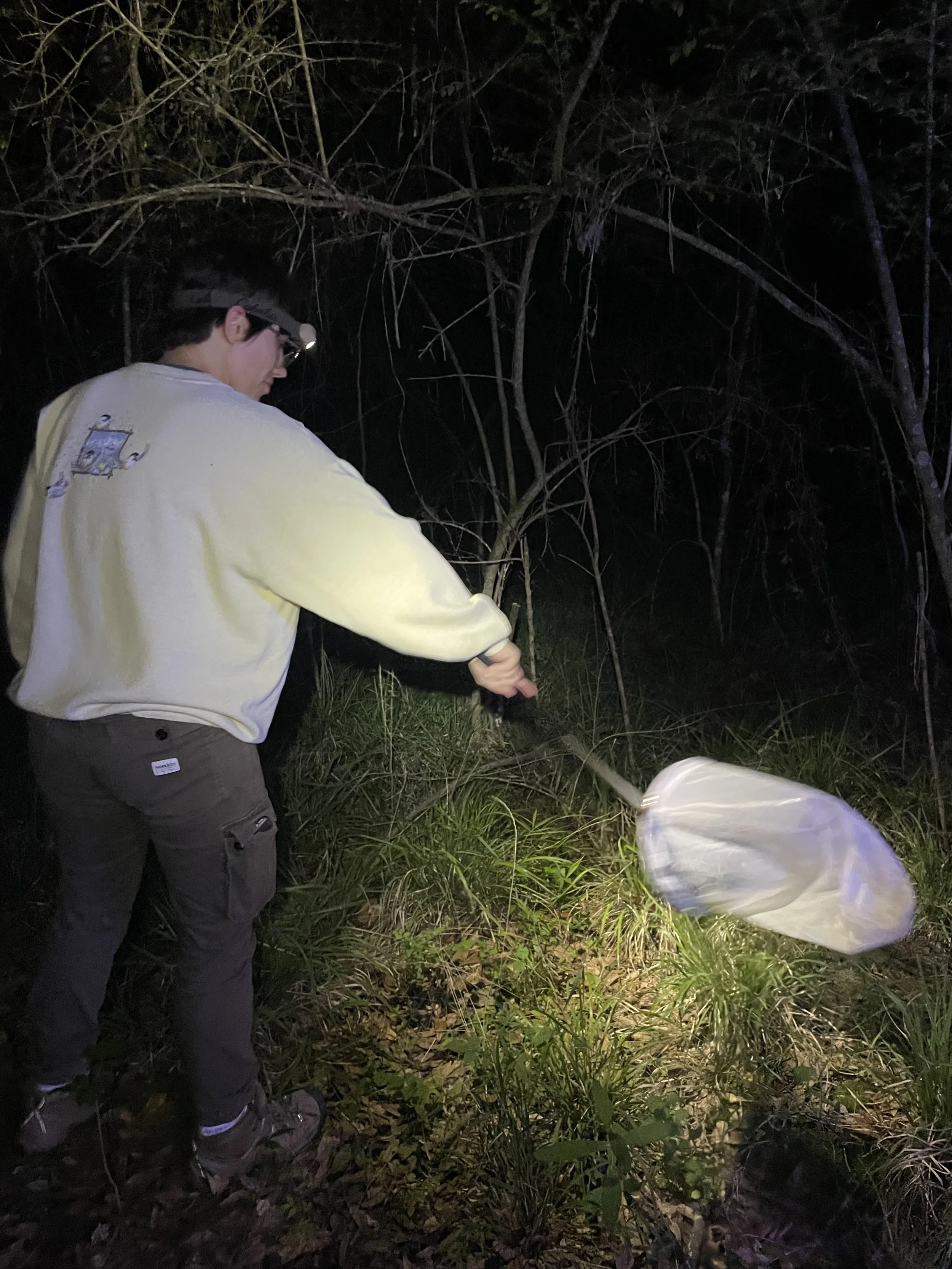
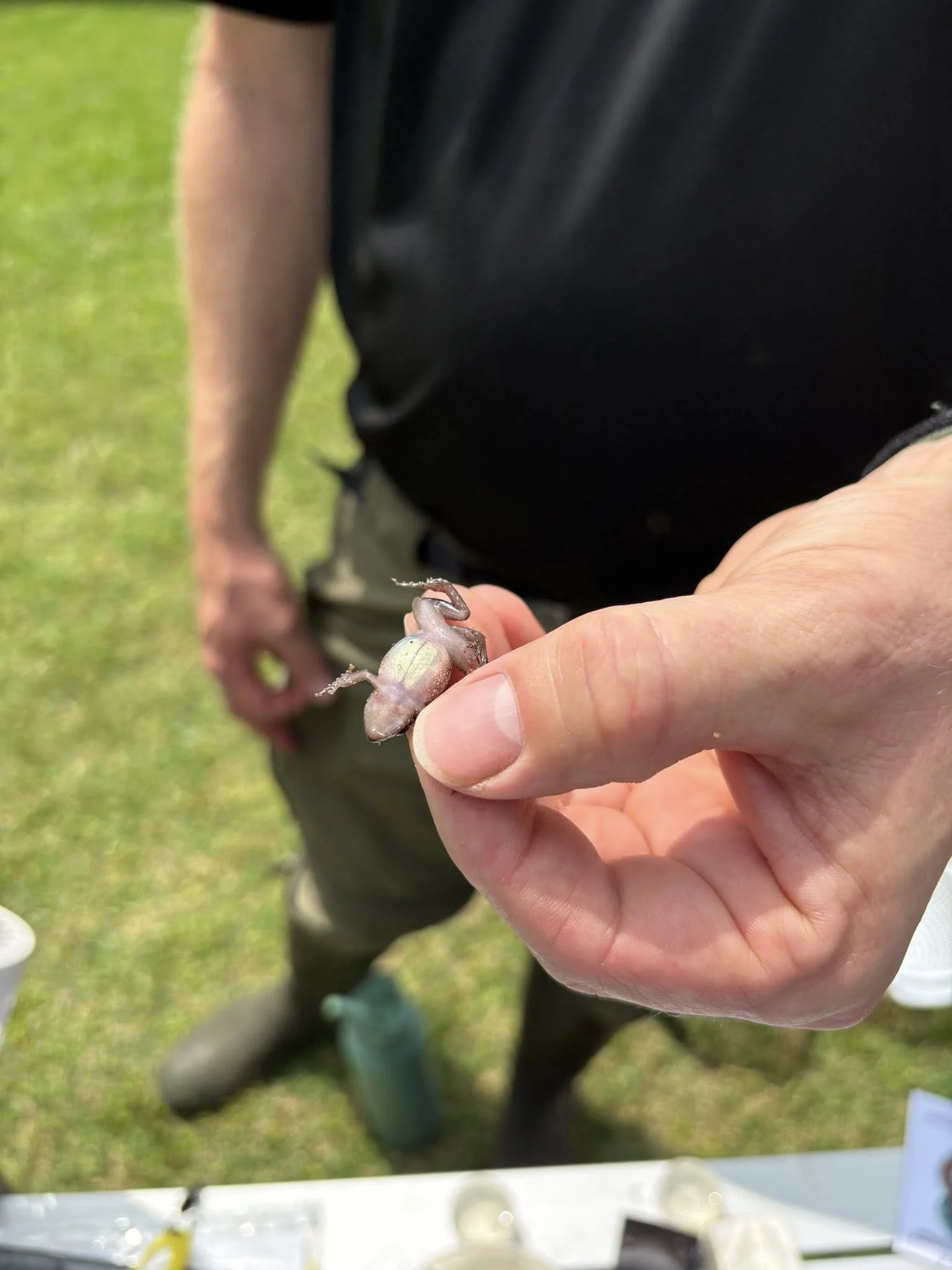
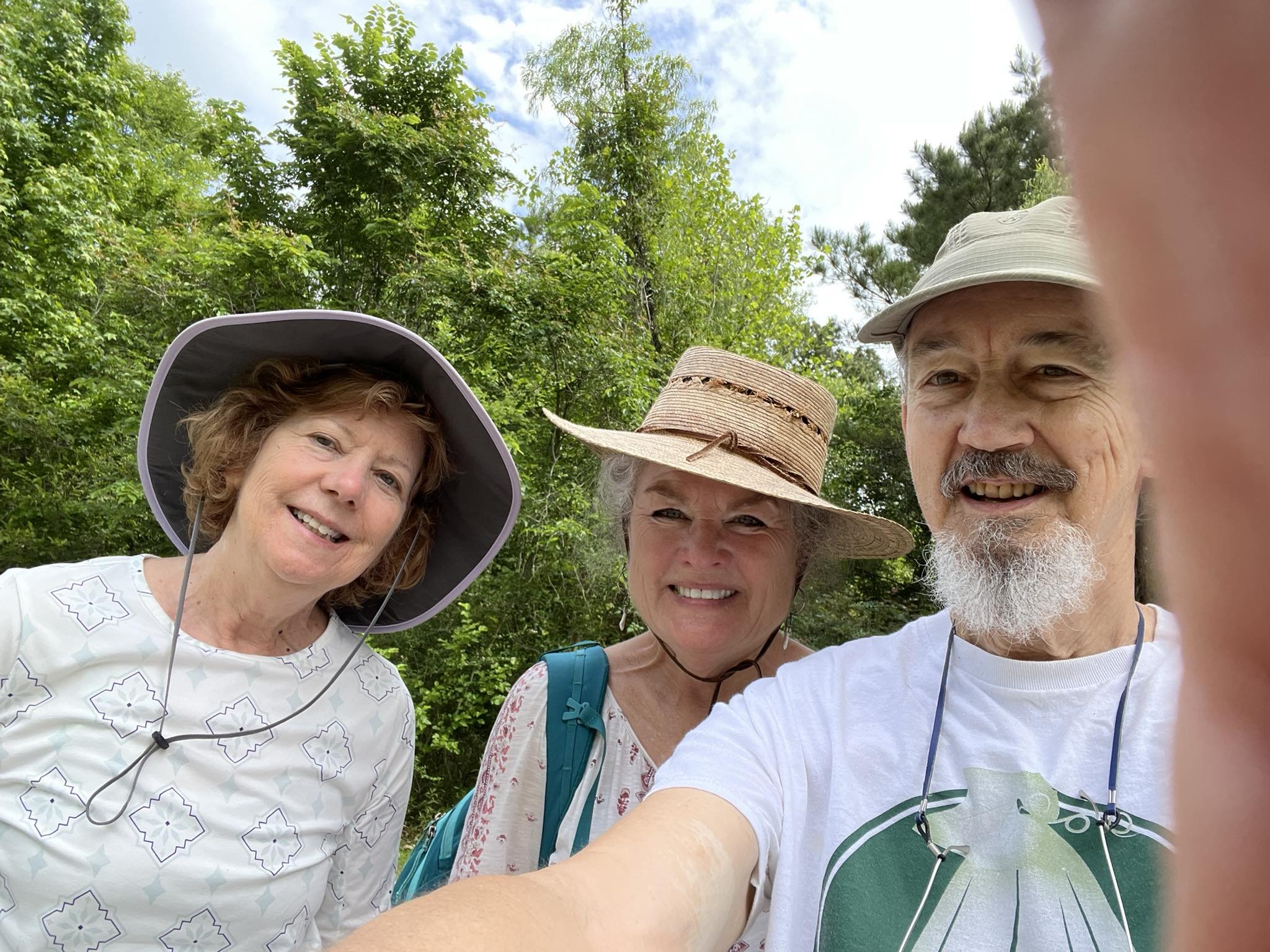
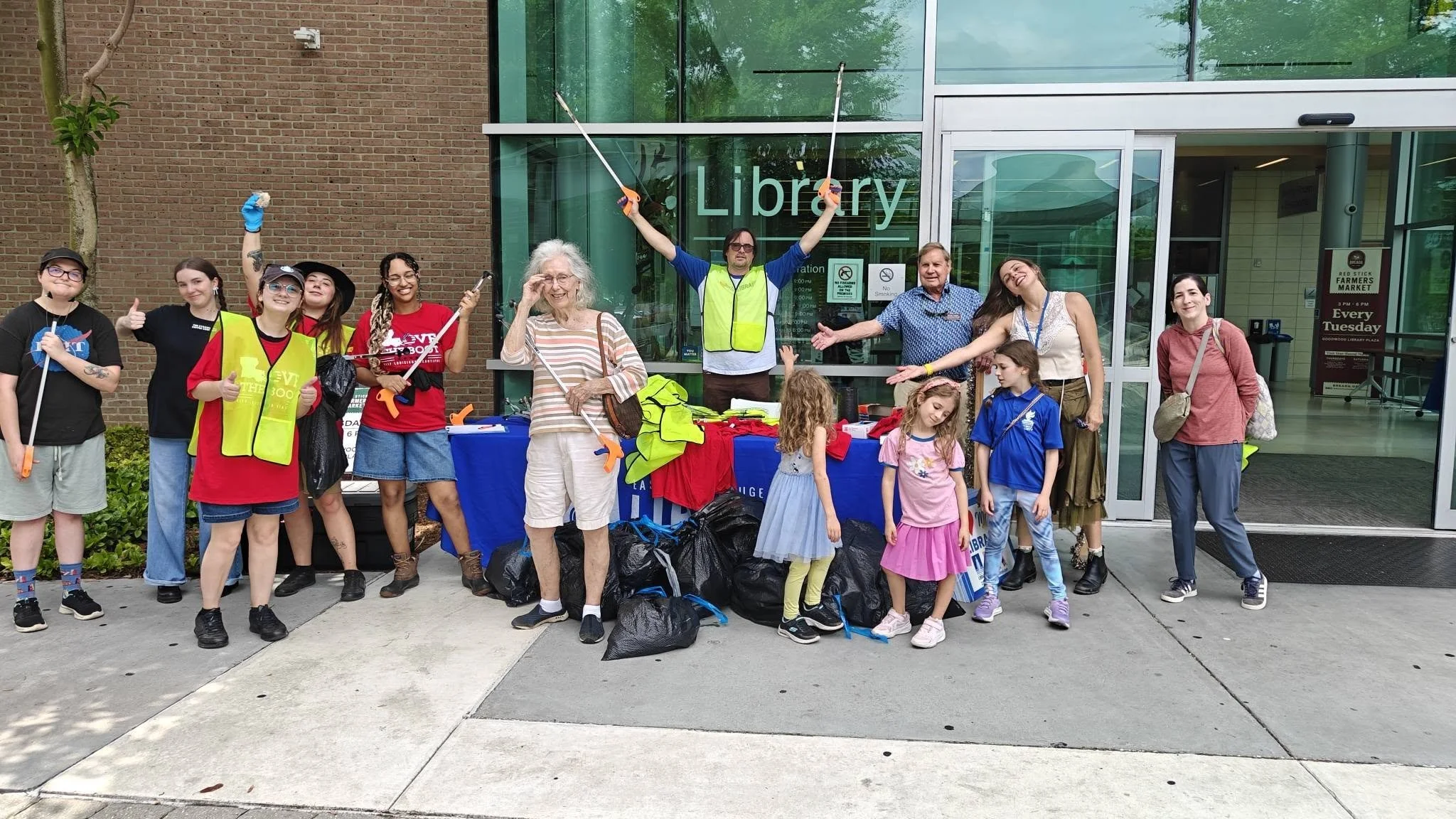
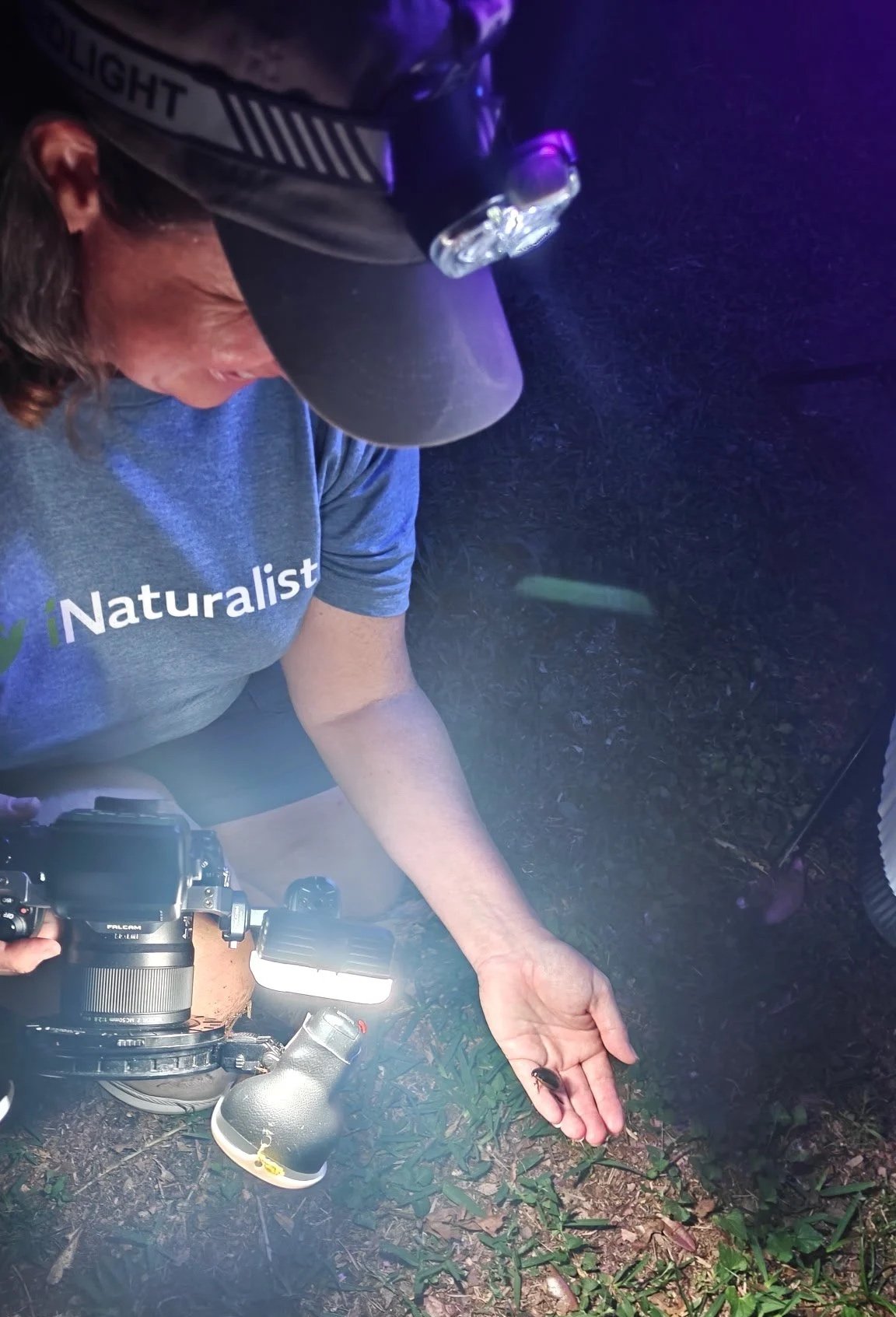
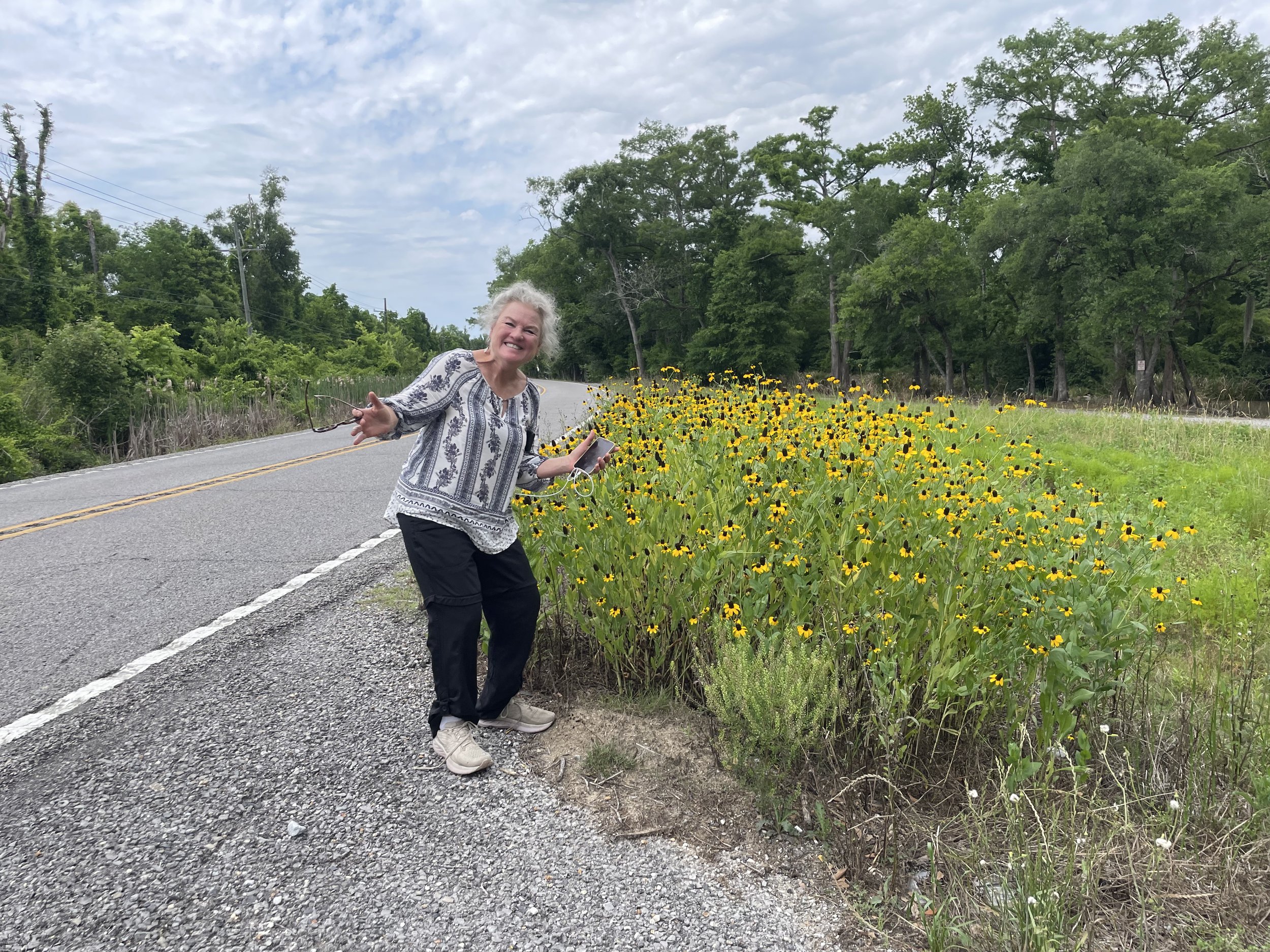
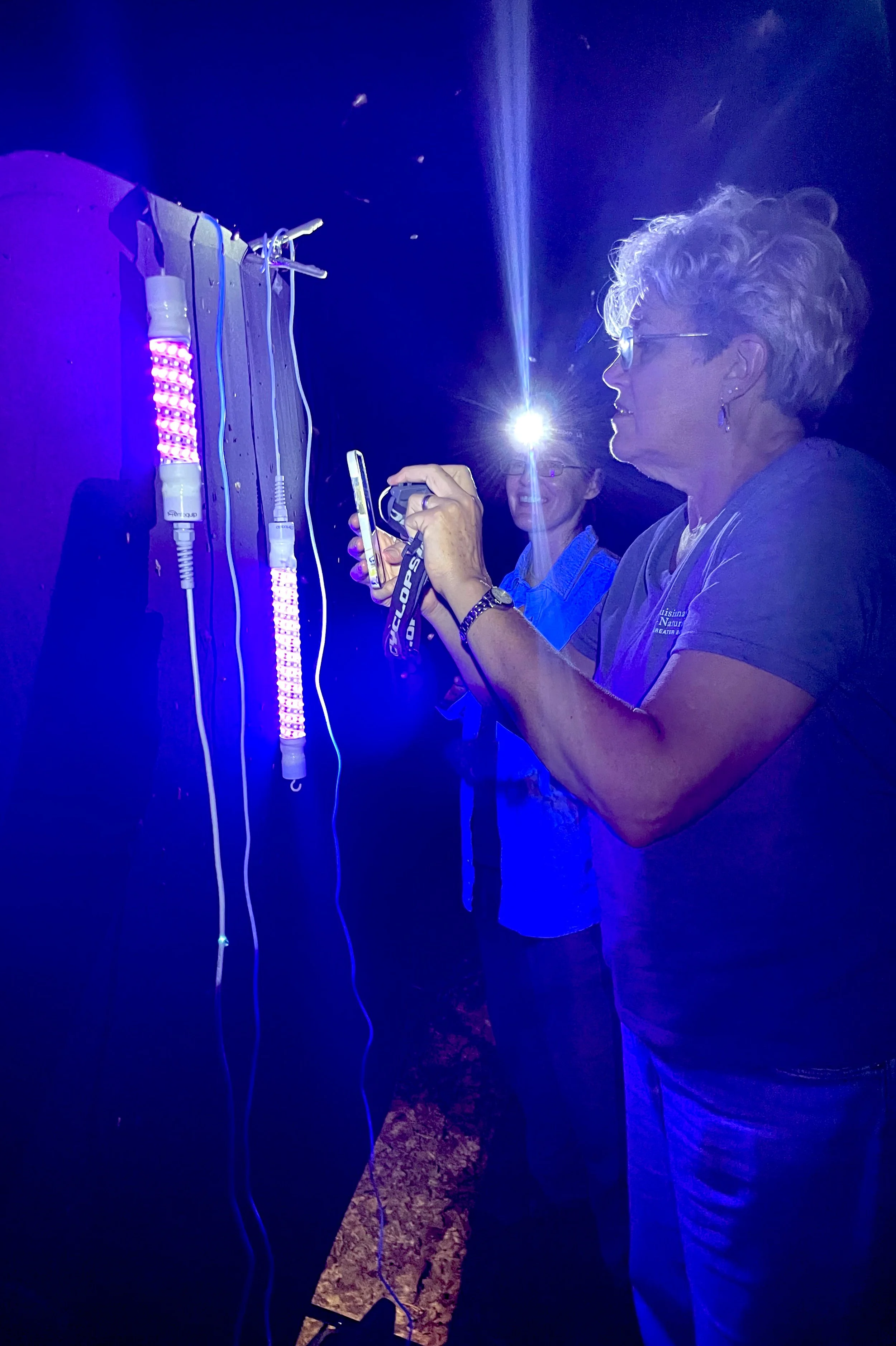
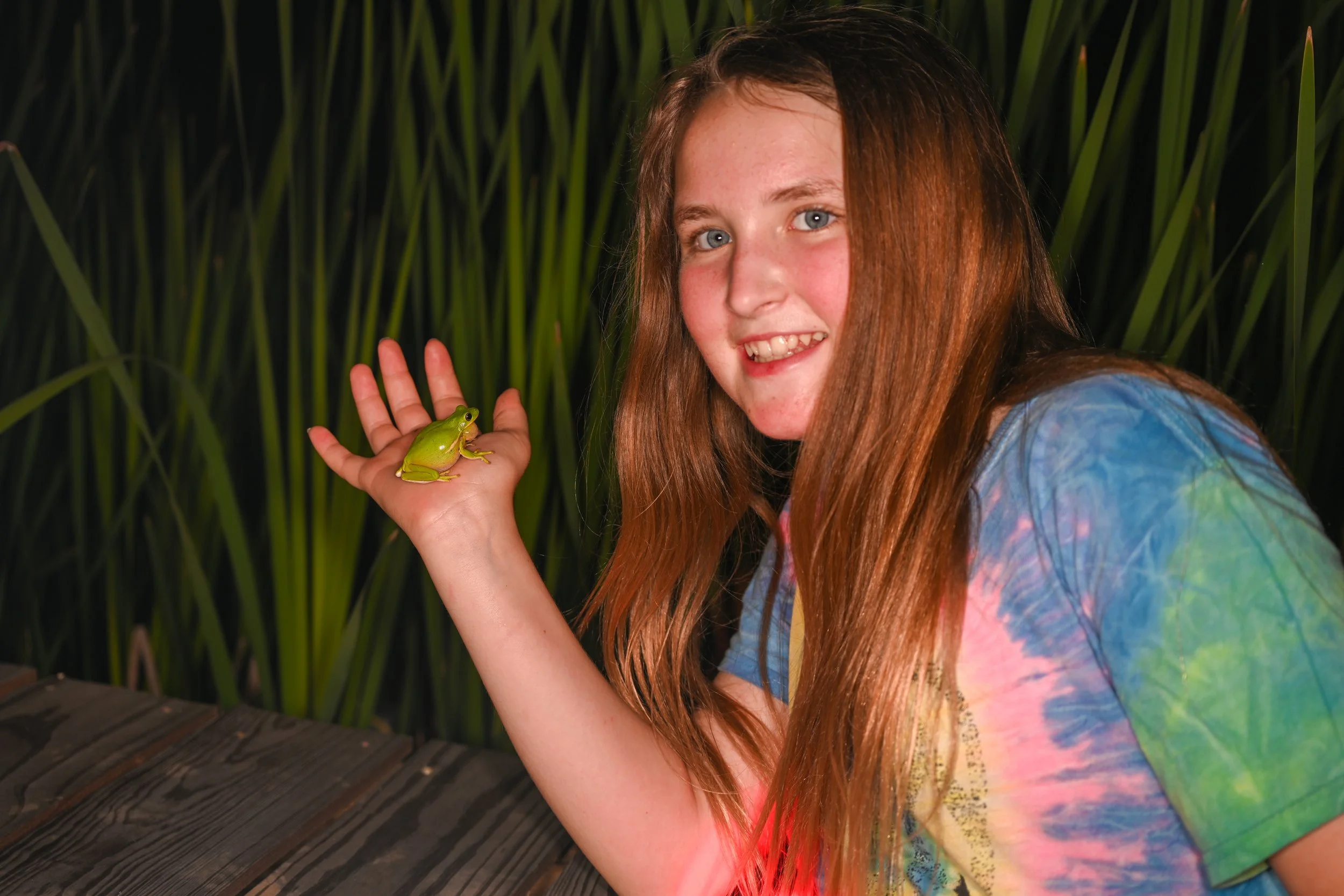
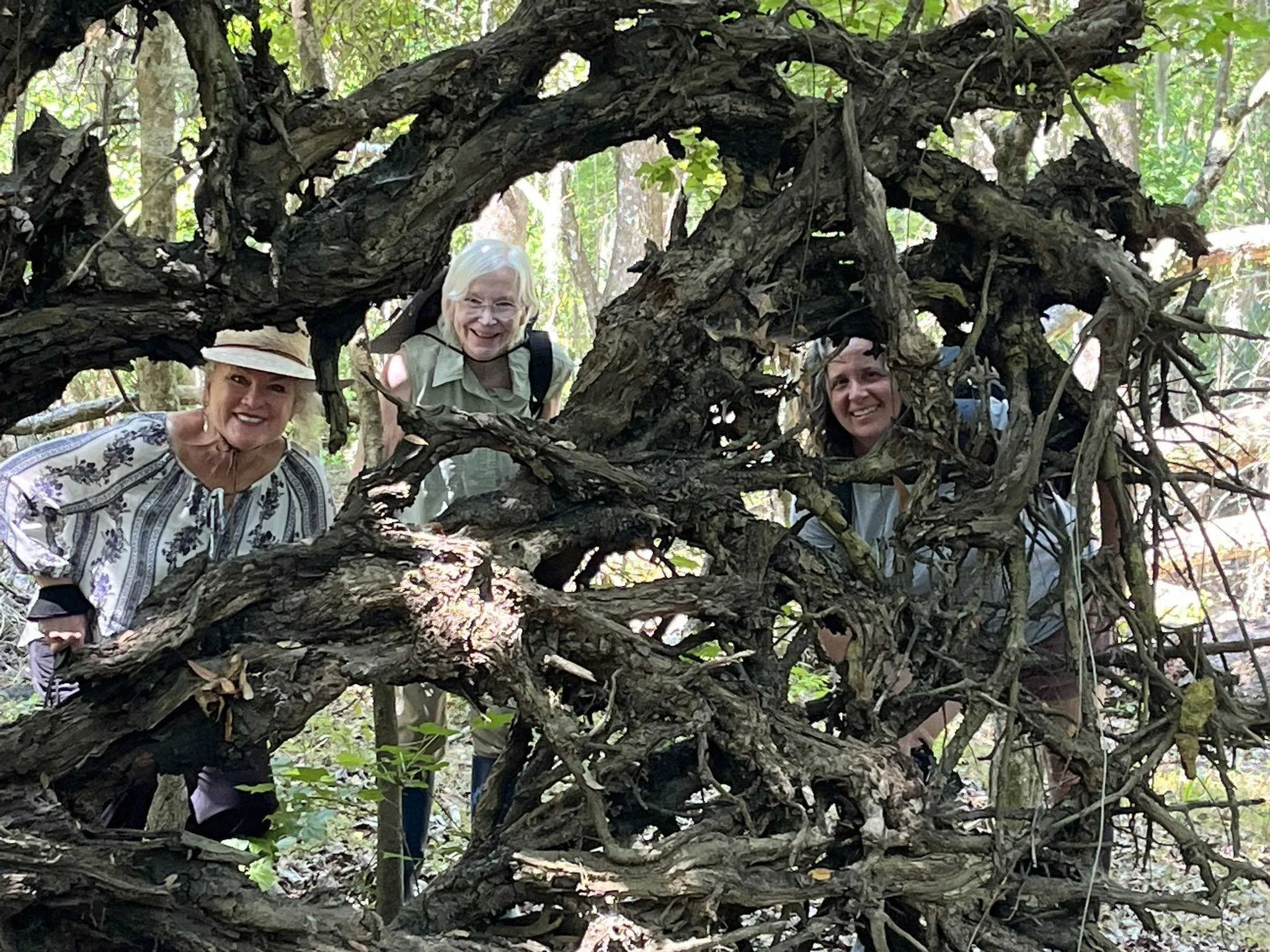
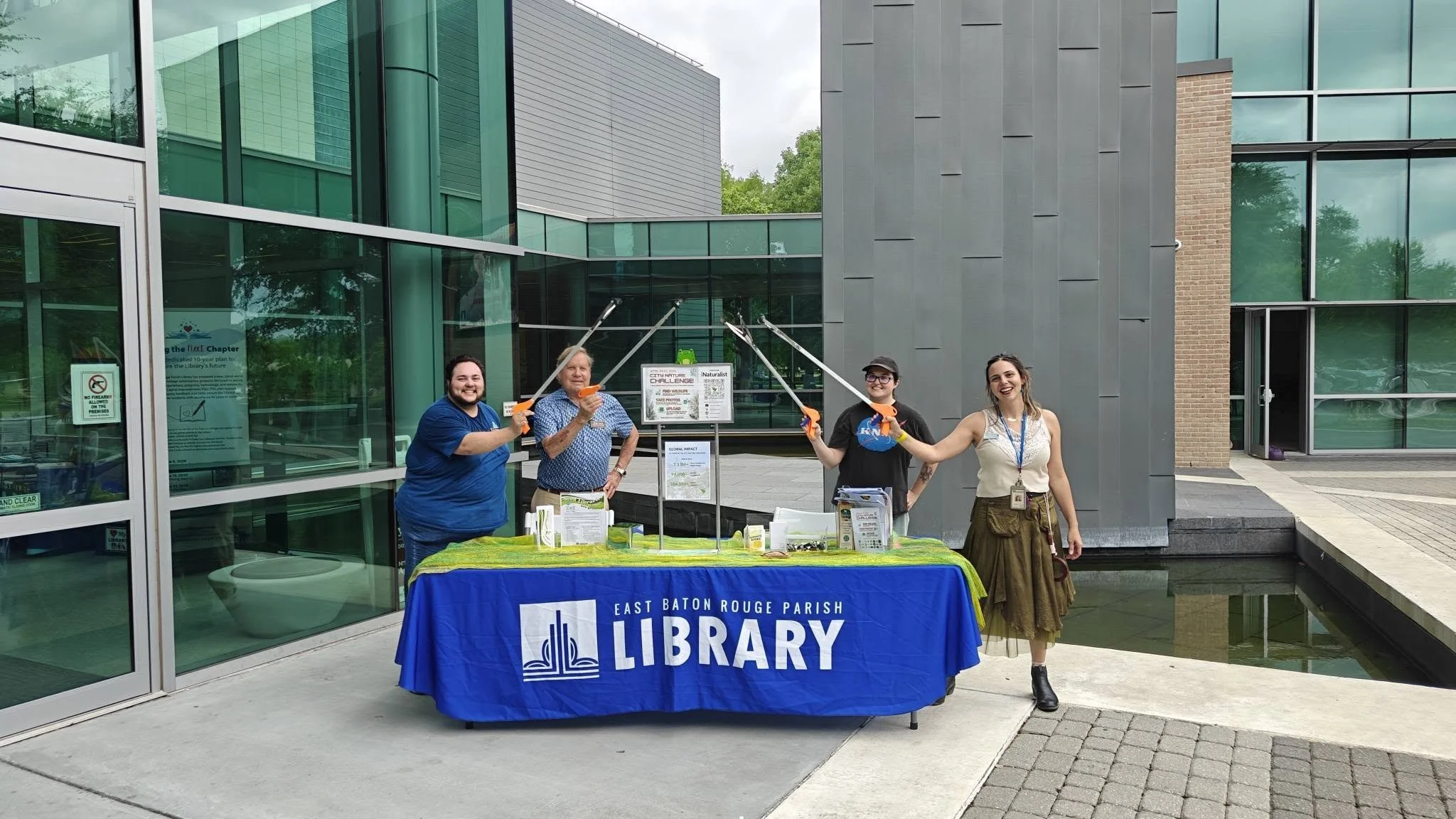
Action photos from the 2026 Baton Rouge Region City Nature Challenge
Local Leaderboard
Thank you to our participants, volunteers, partners and identifiers!
Most Species
khashagen 380
hemispingus 328
janie 315
amberenergy 299
coca_goes_outside 296
alice2019 273
guentzelr 268
yipinjohnson 239
cmbankester 232
nanetteolivier 196
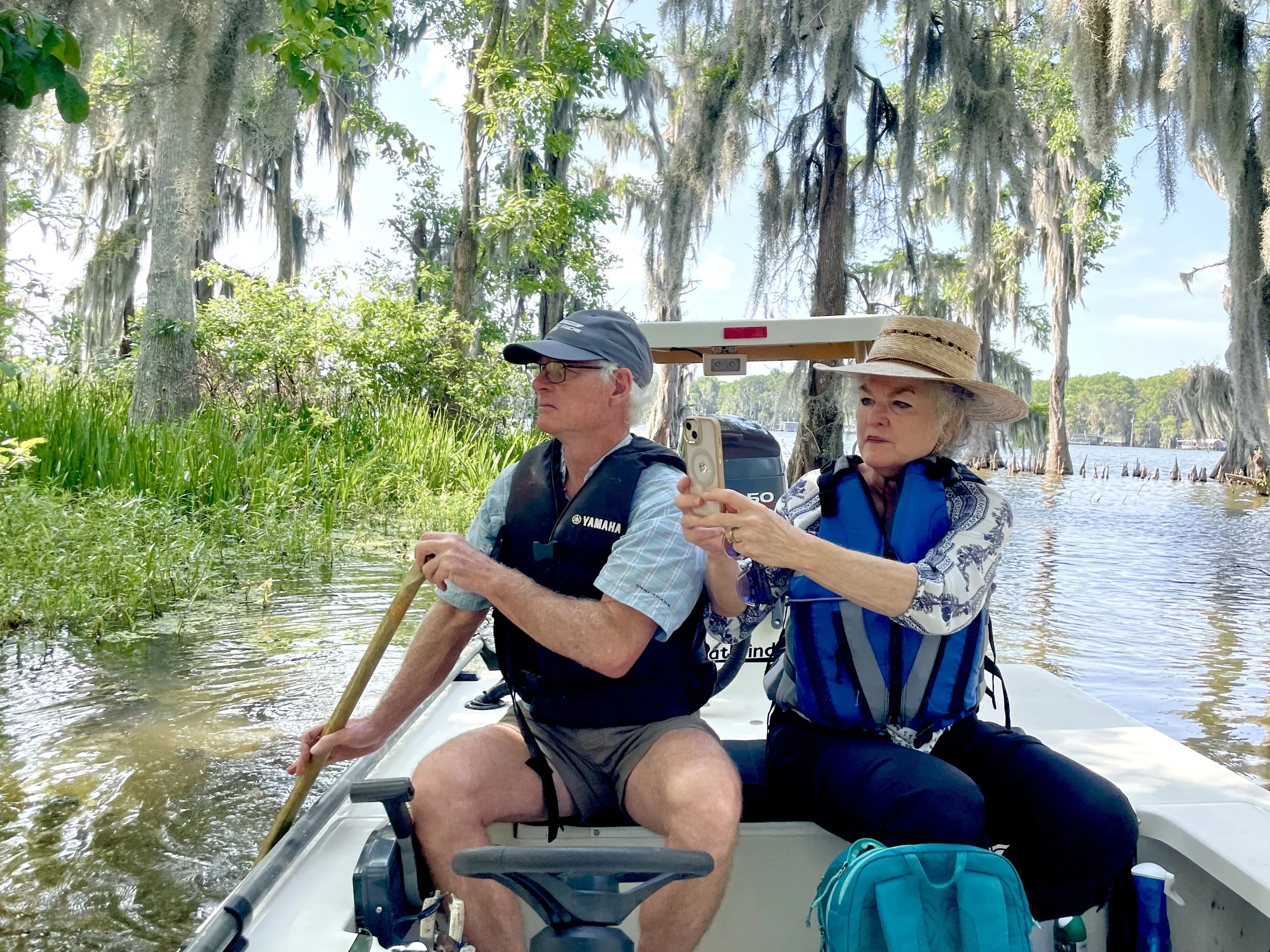
Nanette Olivier, #10 for Most Species, takes photos for the City Nature Challenge at Lake Verret by boat.
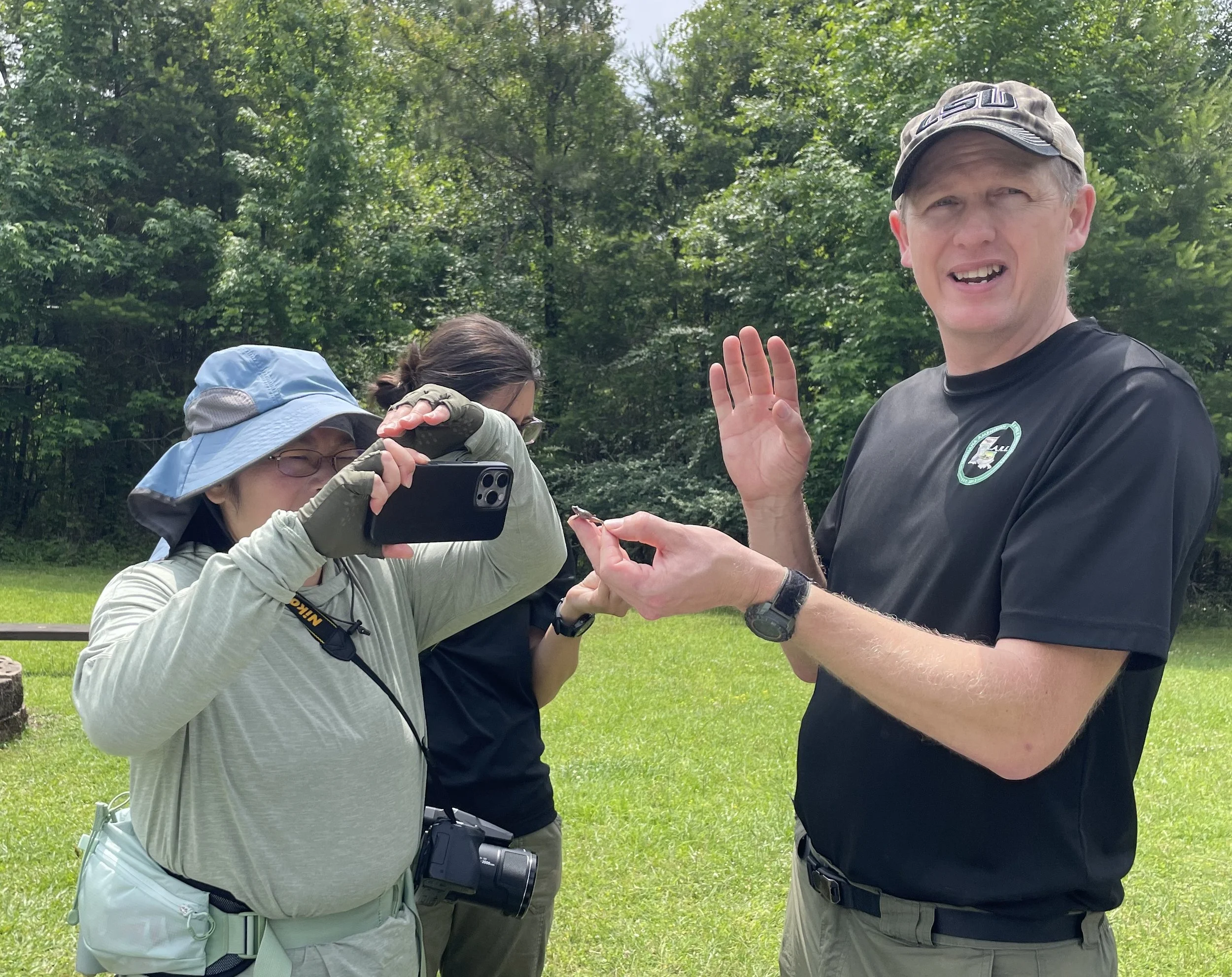
Yipin Johnson, #8 for Most Species, and Katrina Hashagen, #1 for Most Species and Most Observations, learn about an invasive Rio Grande Chirping Frog from Bones Glorioso, leader of the Louisiana Amphibians and Reptiles Enthusiasts (L.A.R.E.) group.
Most Observations
khashagen 616
janie 555
hemispingus 550
seangolden 518
guentzelr 515
alice2019 484
coca_goes_outside 479
htoyo 477
cmbankester 468
amberenergy 379
Most Identifications
amberenergy 2,177
bill_wimley 1,169
seangolden 841
daniel_observer 724
khashagen 528
teakettle_wren 510
zmartin22 472
drbutner 411
aguilita 371
kpinso 337
Amber King (amberenergy), #1 for Most Identifications, holds a large Diving Beetle during the light night at LSU Hilltop Arboretum. Photo by Allison Gianelloni.
Observation Hot Spots
Here are the top 10 public spots that had the most observations logged:
BREC Frenchtown Conservation Area
LSU Hilltop Arboretum
BREC Blackwater Conservation Area
BREC Bluebonnet Swamp
LSU AgCenter Botanic Gardens & Burden
BREC Forest Community Park
City Park New Orleans
Abita Creek Flatwoods Preserve
BREC Highland Road Park & Observatory
Mary Ann Brown Nature Preserve
Master Naturalists Emily Taylor and Sharon O’Brien taking photos of insects at BREC Frenchtown Conservation Area, the top observation hot spot during the City Nature Challenge 2026.
Baton Rouge Region Observation Quality
Verifiable Observations
Observations with photo or audio evidence and the organism is wild (meaning not captive or cultivated.)
100%
Perfect score! A 4% improvement over last year! Great job!
Research Grade
Verifiable observations that were able to be identified and can be used for scientific research.
55%
We improved 3% on this statistic and placed #213 in the world. A lower percentage most often means the organism in the photo was blurry.
Otter Games Winners!
Otters spotted by Team ROMP!
2026 Species: Meadowhawks with 528 species documented. A big focus on insects really boosted their species count. Teammates were Amanda Marshall, Hitai Lu, Kathe Managan, Melissa Lo Verde, Rosemary Guentzel.
2026 Research Grade: Weed Whackers with 680 research grade observations. They squeaked to the lead with just 5 more than the runner up! Teammates were Janie Braud, Lori Radunzel-Davis, Mary Loofbourrow, Terry Kidd.
2026 Otter Spotter: ROMP (River Otter Monitoring Project) had 4 observations of live otters! Teammates were Dominique Fleitas, Josh Suit, and David Hamilton. The Weed Whackers saw otter paw prints, but alas, no animals.
Global City Nature Challenge Results
The overall worldwide winner for Species is Steiermark, Austria!
3,001,825
Observations Made
During the four day challenge
106,354
People Participated
From 62 countries
76,422
Species Documented
Including 5,688 rare, threatened, or endangered species
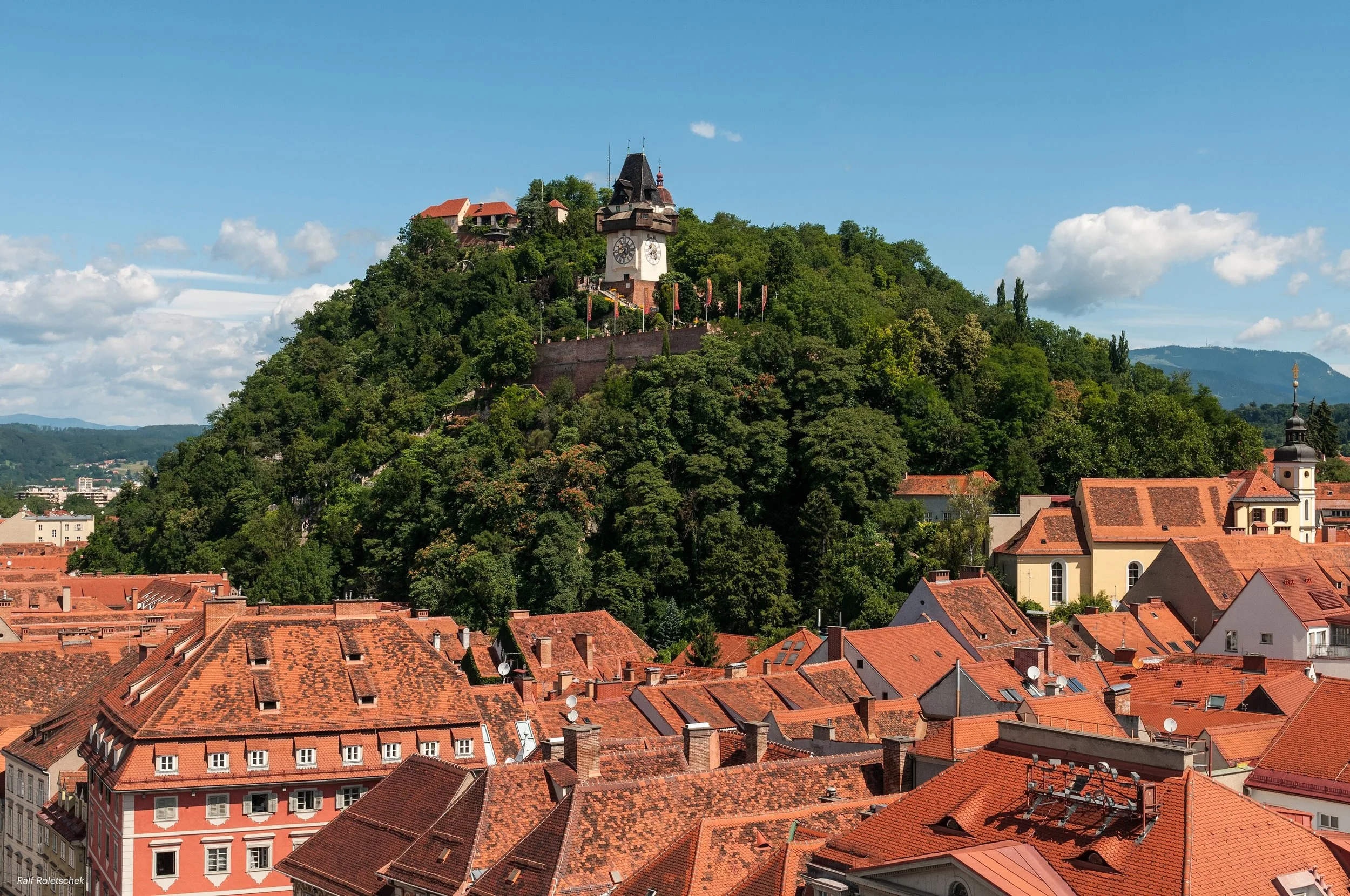
Steiermark, Austria
Most Species
Steiermark, Austria 5070
San Antonio Metro 4816
Hong Kong 4734
Dallas/Fort Worth 4621
French Guyana: Savanes & Littoral 4464
Houston-Galveston 4072
San Francisco Bay Area 3911
South Florida 3876
Washington DC Metro 3719
Ciudad de México 3543
Most Participants
San Francisco Bay Area 3003
Monterrey, Mexico 2774
Washington DC Metro 2275
Dallas/Fort Worth 1909
San Antonio Metro 1879
Greater Austin 1792
Los Angeles County 1553
Chicagoland Region 1336
Boston Area 1326
Houston-Galveston 1325
Most Observations
Ostrava, Austria 139362
San Antonio Metro 102653
Dallas/Fort Worth 85399
San Francisco Bay Area 63589
Tagum City, Philippines 63208
Washington DC Metro 62502
Steiermark 60866
Ciudad de México 52212
Trinidad, Bolivia 50783
Houston-Galveston 44204
Thank you to our amazing partners!